



Dealing with a clogged drain due to hair buildup can be a frustrating experience. While many people turn to harsh chemical drain cleaners or call a plumber to resolve the issue, there are actually several easy and economical home remedies that you can try. Not only are these methods effective, but they are also safe for your pipes and the environment. In this article, we will explore different ways to clear hair from your drain using natural remedies and preventive measures.
Key Takeaways:
- Baking soda and vinegar can effectively dissolve hair clogs in drains.
- Using needle-nose pliers or a plumbing snake can physically remove hair clogs near the drain opening.
- Preventive measures such as brushing hair before showering and using drain covers can help minimize the occurrence of clogs.
- If DIY methods fail, it may be necessary to hire a professional plumber for further assistance.
Using Baking Soda and Vinegar to Clear Hair Clogs
Dealing with a clogged drain due to hair buildup can be a frustrating experience. While many people turn to harsh chemical drain cleaners or call a plumber to resolve the issue, there are actually several easy and economical home remedies that you can try. Not only are these methods effective, but they are also safe for your pipes and the environment. In this article, we will explore different ways to clear hair from your drain using natural remedies and preventive measures.One of the most popular home remedies for clearing hair clogs is using baking soda and vinegar. Baking soda, or sodium bicarbonate, is a natural compound that has the ability to dissolve mineral deposits and organic materials. It also has disinfectant properties that can fight odor-causing bacteria and fungi, making it effective for managing hair clogs. Here’s how you can use baking soda and vinegar to unclog your drain:- Measure one cup of baking soda and pour it down the drain.
- Immediately follow the baking soda with one cup of vinegar.
- Watch for fizzing in the drain, and after the fizzing stops (usually about five minutes), flush the drain with two quarts of hot water.
- Repeat this process until the clog clears.
Trying Baking Soda and Salt Mixture for Stubborn Clogs
Dealing with stubborn hair clogs in your drain can be frustrating and time-consuming. Fortunately, there is a simple and effective solution that can break up even the most stubborn hair clogs. By using a mixture of baking soda and salt, you can dissolve the clog and clear your drain. Here’s how:- Mix one cup of baking soda with half a cup of salt in a bowl.
- Pour the mixture down the drain and let it sit overnight.
- In the morning, flush the drain with two cups of boiling water. This will help dissolve the hair clog and clear the drain.
Removing Hair Clogs with Needle-Nose Pliers or a Wire Hanger
Dealing with a clogged drain due to hair buildup can be a frustrating experience. While many people turn to harsh chemical drain cleaners or call a plumber to resolve the issue, there are actually several easy and economical home remedies that you can try. Not only are these methods effective, but they are also safe for your pipes and the environment. In this article, we will explore different ways to clear hair from your drain using natural remedies and preventive measures.In addition to using baking soda and vinegar, there are other DIY remedies you can try. Using needle-nose pliers or a wire hanger can be effective in removing hair clogs that are close to the drain opening. Simply remove the drain stopper, if possible, and use the pliers or hanger to pull out the clump of hair. Be sure to wear gloves for this task. Once the drain is clear, flush it with hot water to remove any remaining debris.Dislodging Hair Clogs with a Plumbing Snake
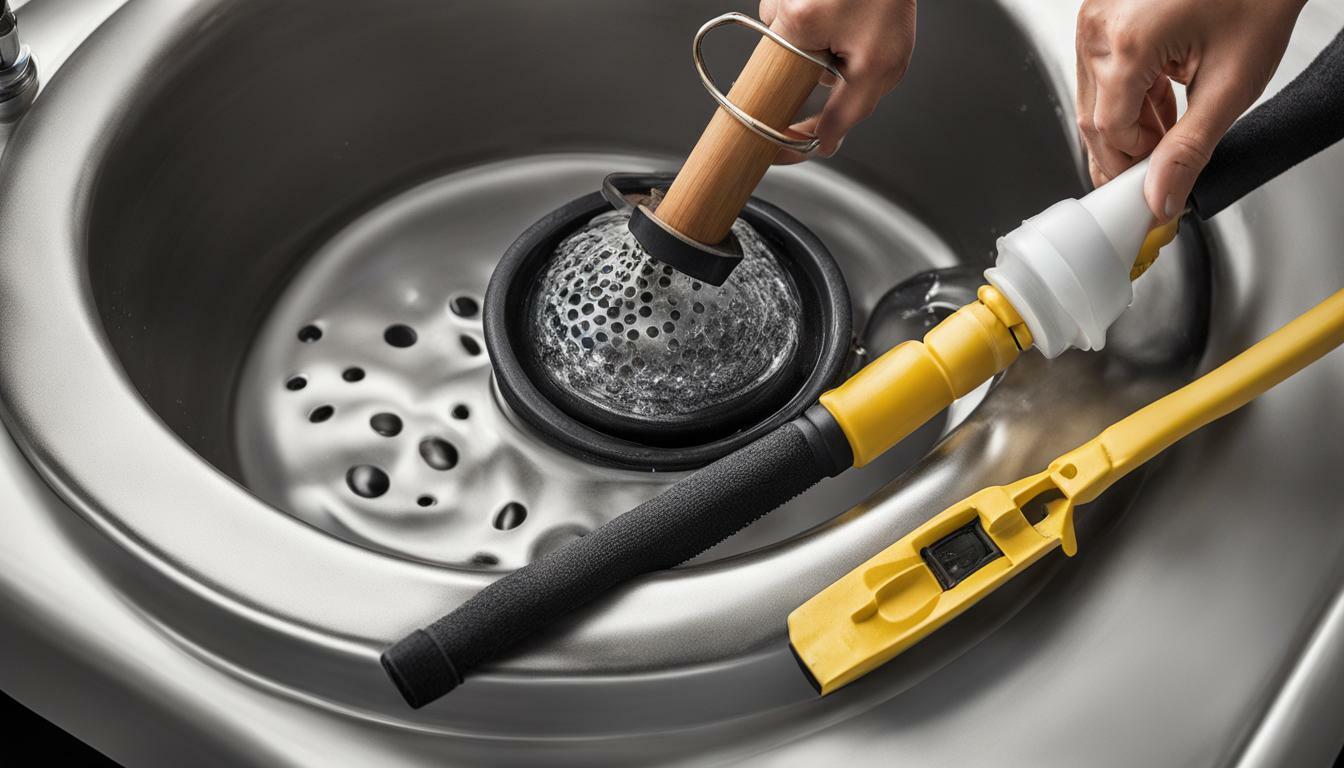
Another option is to use a plumbing snake, also known as an auger. This flexible and long wire or plastic tool can be inserted into the drain to break up and dislodge the hair clog. It works by physically pushing or pulling the clog out of the drain.To use a plumbing snake, insert the end of the tool into the drain and turn the handle clockwise. This will extend the cable down the drain and into the pipe. Keep turning the handle until you reach the obstruction, then push or pull the cable to break up the clog. Once the clog is dislodged, retract the cable and flush the drain with hot water.Using a plumbing snake can be effective for hair clogs, but it’s important to choose the right type of tool for your drain. Augers come in various cable lengths and thicknesses, so make sure you select one that fits your drain’s specifications. Additionally, be sure to follow the manufacturer’s instructions and take safety precautions when using a plumbing snake, such as wearing gloves and eye protection.When DIY Methods Fail: Hiring a Professional Plumber
If these DIY methods fail to clear the clog, it may be time to consider hiring a professional plumber. While DIY remedies can be effective for hair clogs that are closer to the surface, stubborn clogs may require the expertise of a professional. Plumbers have the tools and knowledge necessary to clear even the most difficult clogs.Professional plumbers use a variety of methods to clear clogs, including hydro jetting and video camera inspections. Hydro jetting involves the use of high-pressure water to blast away clogs and debris, while video camera inspections allow plumbers to identify and locate the exact source of the clog. These methods are often more effective and efficient than DIY remedies, and can save you time and frustration.When choosing a professional plumber, be sure to do your research and select a reputable and experienced company. Ask for recommendations from friends and family, and read online reviews before making a decision. Additionally, make sure the plumber is licensed and insured to protect yourself against any potential liability.While hiring a professional plumber may be more expensive than DIY remedies, it can save you money and frustration in the long run. A professional can identify and address underlying plumbing issues that may be contributing to clogs, preventing them from occurring in the future.Preventive Measures to Minimize Hair Clogs
Prevention is key when it comes to clearing hair from drains. Taking proactive measures can help minimize the chances of clogs occurring in the first place. Here are some preventive steps you can take:- Brush your hair before showering to minimize loose strands that may fall out and go down the drain.
- Use a drain cover to trap hair. These covers fit over your drain and are designed to collect fallen hairs. Remove the hair from the cover regularly to prevent accumulation.
- Flush your drains once or twice a week with hot water. This helps dissolve grime and prevents hair clogs from forming.
- Consider hiring a professional plumber for regular maintenance. They can inspect and clear your plumbing system to prevent future clogs.
Brushing Hair and Using Drain Covers for Prevention
Taking proactive measures can help minimize the chances of clogs occurring in the first place. One of the most straightforward things you can do to prevent hair clogs is to brush your hair before showering. This will remove loose strands that may fall out and otherwise go down the drain. Additionally, using a drain cover can work wonders. These covers fit over your drain and are designed to collect fallen hair. Removing the hair from the cover regularly can prevent accumulation and ultimately stop clogs from forming.It’s also important to flush your drains once or twice a week with hot water. Doing this helps dissolve grime and prevents hair clogs from forming in the first place. By making this a regular part of your cleaning routine, you can quickly and easily minimize the chance of hair clogs forming in your home.Flushing Drains with Hot Water for Maintenance
Flush your drains once or twice a week with hot water to prevent hair clogs from forming. Hot water helps dissolve grime and any loose hair that may have accumulated in the drain. Simply heat a pot of water on the stove until it reaches a rolling boil, and carefully pour it down the drain. Hot water also helps kill bacteria and other organic matter that can cause unpleasant odors in your drain.Regular Maintenance by Professional Plumbers
Consider hiring a professional plumber for regular maintenance to prevent future clogs. While it may seem like an unnecessary expense, regular maintenance can help save you money and headaches in the long run. A plumber can inspect your plumbing system and identify potential issues before they become major problems. They can also flush your drains and pipes to remove any buildup that could lead to clogs in the future.Regular maintenance by a professional plumber is especially important if you have a history of frequent hair clogs or if you live in an older home with outdated plumbing. By catching and addressing problems early on, you can avoid costly repairs and replacements down the line.Solving Your Problems: How to Clear Hair from Drain Easily
Dealing with a clogged drain due to hair buildup can be a frustrating experience. While many people turn to harsh chemical drain cleaners or call a plumber to resolve the issue, there are actually several easy and economical home remedies that you can try. Not only are these methods effective, but they are also safe for your pipes and the environment. In this article, we will explore different ways to clear hair from your drain using natural remedies and preventive measures.Using Baking Soda and Vinegar to Clear Hair Clogs
One of the most popular home remedies for clearing hair clogs is using baking soda and vinegar. Baking soda, or sodium bicarbonate, is a natural compound that has the ability to dissolve mineral deposits and organic materials. It also has disinfectant properties that can fight odor-causing bacteria and fungi, making it effective for managing hair clogs. Here’s how you can use baking soda and vinegar to unclog your drain:- Measure one cup of baking soda and pour it down the drain.
- Immediately follow the baking soda with one cup of vinegar.
- Watch for fizzing in the drain, and after the fizzing stops (usually about five minutes), flush the drain with two quarts of hot water.
- Repeat this process until the clog clears.
Removing Hair Clogs with Needle-Nose Pliers or a Wire Hanger
In addition to using baking soda and vinegar, there are other DIY remedies you can try. Using needle-nose pliers or a wire hanger can be effective in removing hair clogs that are close to the drain opening. Simply remove the drain stopper, if possible, and use the pliers or hanger to pull out the clump of hair. Be sure to wear gloves for this task. Once the drain is clear, flush it with hot water to remove any remaining debris.Dislodging Hair Clogs with a Plumbing Snake
Another option is to use a plumbing snake, also known as an auger. This flexible and long wire or plastic tool can be inserted into the drain to break up and dislodge the hair clog. Choose an auger with a cable thickness and length that is suitable for your drain, and follow the instructions provided with the tool.When DIY Methods Fail: Hiring a Professional Plumber
If these DIY methods fail to clear the clog, it may be time to consider hiring a professional plumber. They have the expertise and specialized equipment to tackle even the most stubborn hair clogs.Preventive Measures to Minimize Hair Clogs
Prevention is key when it comes to clearing hair from drains. Taking proactive measures can help minimize the chances of clogs occurring in the first place. Here are some preventive steps you can take:- Brush your hair before showering to minimize loose strands that may fall out and go down the drain.
- Use a drain cover to trap hair. These covers fit over your drain and are designed to collect fallen hairs. Remove the hair from the cover regularly to prevent accumulation.
- Flush your drains once or twice a week with hot water. This helps dissolve grime and prevents hair clogs from forming.
- Consider hiring a professional plumber for regular maintenance. They can inspect and clear your plumbing system to prevent future clogs.


