



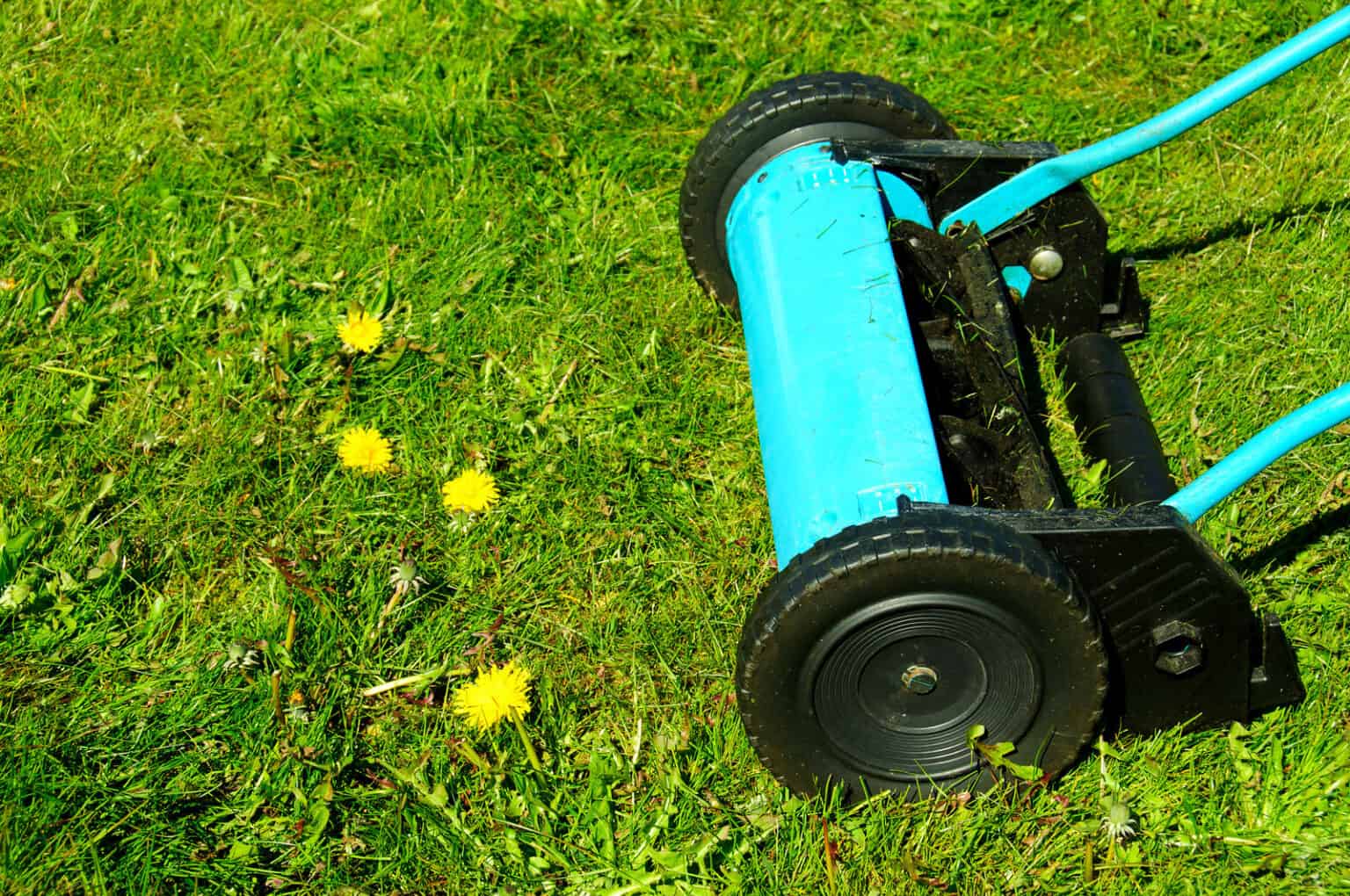
Getting rid of weeds without killing your grass comes down to one principle: targeting the weed specifically without treating the whole lawn. Most failures happen when people apply broad treatments that damage surrounding grass or miss the root entirely. This guide covers 10 proven natural methods, when to use each, and a seasonal timing guide so your efforts actually stick.
Key Takeaways
- Hand-pulling with the full root intact is still the most reliable method for individual weeds
- Corn gluten meal prevents new weeds from germinating — apply in early spring before weeds appear
- Vinegar kills weeds on contact but also kills grass — use only for spot treatment with precision application
- A thick, healthy lawn is the best long-term weed defence — weeds fill gaps, not thick turf
- Timing matters: treat weeds when they’re young and before they seed to prevent next year’s problem
Understanding Why Weeds Grow
Weeds don’t appear randomly — they exploit weaknesses. Bare patches, compacted soil, low mowing height, poor drainage, and nutrient deficiencies all create conditions where weeds thrive before grass can. The most effective weed control strategy addresses the underlying conditions alongside direct removal.
Seasonal Timing Guide
| Season | Priority Action | Why |
|---|---|---|
| Early Spring | Apply corn gluten meal (pre-emergent) | Stops weed seeds germinating before they start |
| Late Spring | Hand-pull or spot-treat visible weeds | Weeds are young, roots shallow, easiest removal |
| Early Summer | Mow high, hand-pull and mulch beds | Tall grass shades soil, preventing germination |
| Late Summer | Spot-treat persistent weeds; overseed bare patches | Stop weeds seeding; fill gaps with grass |
| Early Fall | Broadleaf spot treatment, aerate and fertilize | Grass grows aggressively in fall, outcompetes weeds |
1. Hand-Pulling (Most Reliable for Individual Weeds)
Hand-pulling remains the most effective targeted weed removal when done correctly. The key is getting the entire root. Pull after rain or watering when soil is soft. Grip at the base, not the stem, and pull straight up slowly. For tap-rooted weeds like dandelions, use a narrow weeding tool (fishtail weeder or dandelion fork) to loosen the root first. A dandelion root left even 2 inches underground will regrow. Pull before the weed seeds or you spread next year’s problem as you work.
2. Corn Gluten Meal (Natural Pre-Emergent)
Corn gluten meal is a byproduct of corn processing that inhibits root formation in germinating seeds. Spread it on your lawn in early spring (before soil reaches 50°F) to prevent crabgrass, dandelion, and other annual weeds from establishing. It’s completely safe for existing grass and breaks down into nitrogen, feeding your lawn. Apply at 20 lbs per 1,000 sq ft. Important: do not use corn gluten meal if you’re overseeding — it will also prevent grass seed from germinating.
3. Vinegar Spot Treatment
Household white vinegar (5% acidity) or horticultural vinegar (20%) kills weeds by desiccating their leaves on contact. Critical caveat: vinegar kills any plant it touches, including grass. Use a spray bottle or paintbrush for precise, targeted application only on the weed, avoiding surrounding turf. Apply on a sunny, windless day for maximum effectiveness. Multiple applications may be needed for established perennial weeds. Best suited for weeds in cracks, gravel, or garden beds rather than lawn areas where overspray is difficult to control.
4. Boiling Water (Instant Kill for Driveway and Path Weeds)
Pouring boiling water directly on weeds kills them instantly by rupturing cell walls. It’s highly effective on weeds in pavement cracks, gravel driveways, and path edges where there’s no surrounding grass at risk. The effect is immediate and complete on contact. Not suitable for lawn use as it will kill grass in the treated area. Add salt to boiling water for weeds in hardscape areas — salt also sterilizes the soil to prevent regrowth (don’t use salt near lawn or garden beds).
5. Mulching (Best for Garden Beds)
A 2–3 inch layer of organic mulch (wood chips, shredded bark, straw) in garden beds blocks sunlight from reaching weed seeds, preventing germination. Existing weeds pulled before mulching won’t regrow easily. Mulch also retains moisture and improves soil health as it breaks down. Replenish annually as mulch compresses and decomposes. Don’t use it on lawn areas but it’s the most effective passive weed prevention for borders and beds.
6. Newspaper or Cardboard Smothering
Lay 5–6 sheets of newspaper or a layer of cardboard over weeds in garden beds. Wet thoroughly and cover with mulch to hold in place. The paper blocks all light and slowly decomposes into the soil, enriching it. This is especially effective for clearing weedy beds before replanting. It takes 2–3 months to fully suppress established weeds. Not for lawn use but excellent for reclaiming neglected garden areas without digging or chemicals.
7. Mow High (Best Passive Lawn Weed Prevention)
Mowing at 3–4 inches height (cool-season grasses) or 2–3 inches (warm-season grasses) creates dense turf that shades the soil surface, preventing weed seeds from receiving enough light to germinate. Low mowing is one of the most common causes of weed proliferation — scalped lawns leave bare soil that weeds colonize instantly. Never remove more than 1/3 of the grass blade in a single mow.
8. Spot Treatment with Baking Soda
Sprinkle baking soda directly onto weeds growing in lawn cracks or between paving stones. The high alkalinity disrupts weed growth. Wet the weed first so the baking soda sticks. This works best for crabgrass and other annual weeds in pavement cracks rather than in lawn areas. Avoid over-application on lawn edges as repeated baking soda use can affect soil pH.
9. Overseed Bare Patches Immediately
Every bare patch in your lawn is a weed waiting to happen. After removing weeds, overseed bare areas immediately with grass seed appropriate to your region and sun/shade conditions. Keep moist until established. A filled lawn simply leaves no space for weeds — this is the most impactful long-term prevention strategy. Fall is the best time to overseed cool-season lawns; spring for warm-season varieties.
10. Improve Lawn Health (Long-Term Prevention)
A thick, vigorous lawn outcompetes weeds for water, nutrients, and sunlight. Key lawn health practices:
- Aerate annually to reduce compaction and improve root depth
- Fertilize seasonally based on grass type (avoid over-fertilizing which promotes thatch)
- Water deeply and infrequently (1 inch/week) to encourage deep roots that outcompete shallow-rooted weeds
- Top-dress with compost annually to improve soil biology and structure
Common Weeds and Best Removal Method
| Weed | Type | Best Natural Method |
|---|---|---|
| Dandelion | Perennial, deep taproot | Dandelion fork + hand-pull after rain |
| Crabgrass | Annual | Corn gluten meal (pre-emergent); hand-pull young plants |
| Clover | Perennial | Hand-pull + overseed; consider leaving (fixes nitrogen) |
| Creeping Charlie | Perennial | Boron-based treatment; hand-pull + mulch |
| Bindweed | Perennial, deep roots | Persistent hand-pulling over multiple seasons |
| Plantain | Perennial | Hand-pull with full root; aerate nearby soil |
Frequently Asked Questions
Will vinegar kill weeds but not grass?
No — vinegar kills any plant it contacts, including grass. It’s effective for targeted spot treatment of individual weeds in pavement cracks or garden beds where you can apply it precisely. In lawn areas, overspray will kill surrounding grass, so it’s not recommended unless you’re using a paintbrush for exact application.
What is the best natural pre-emergent weed killer?
Corn gluten meal is the most proven natural pre-emergent. Applied in early spring before soil warms to 50°F, it prevents weed seeds from establishing roots. It also doubles as a nitrogen fertilizer for your lawn. Don’t use it if you’re overseeding as it prevents all seeds, including grass, from germinating.
How do I get rid of dandelions without killing grass?
Use a dandelion fork or fishtail weeder to loosen the full taproot (6–10 inches long) before pulling. Pull after rain when soil is soft. The entire root must come out or it will regrow. Overseed the hole immediately. Repeat for any regrowth. Avoid vinegar or boiling water in lawn areas as they’ll kill the surrounding grass.
Can you smother weeds with newspaper?
Yes, in garden beds and borders. Lay 5–6 sheets of newspaper over the area, wet thoroughly, and cover with mulch. This blocks light and decomposes into the soil over 2–3 months. It’s very effective for clearing weedy beds. Don’t use it on lawn areas as it will kill the grass underneath too.