



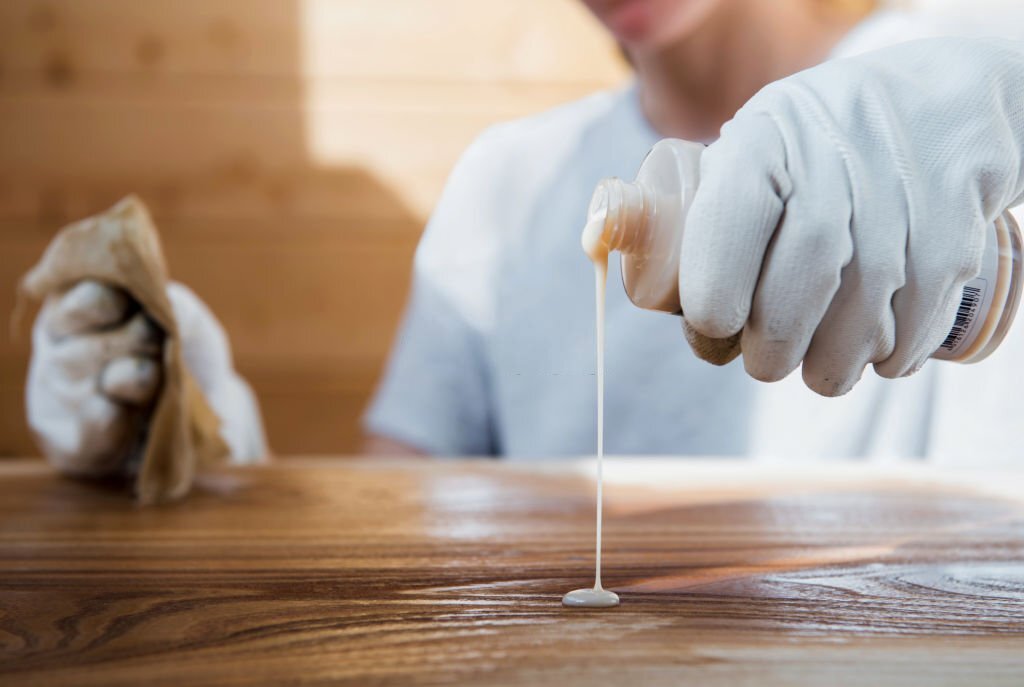
Keeping your furniture dust-free is a must to maintain a clean and healthy home environment. However, constantly wiping down surfaces can be time-consuming and frustrating. That’s where furniture polish comes in. With so many options on the market, it can be difficult to determine which one actually does the best job. In this blog post, we’ll delve into the best furniture polish for keeping dust away, so you can spend more time enjoying your space and less time cleaning it.
Key Takeaways
- Silicone and carnauba wax-based polishes create an anti-static film that actively repels dust rather than just cleaning it
- Pledge Multi-Surface and Guardsman Clean & Polish are the top commercial picks for dust repellence
- A DIY mix of 3 parts olive oil + 1 part white vinegar is anti-static and works well on most wood furniture
- Never use silicone-based polish on antique furniture — it can damage the original finish over time
- Apply polish every 4–6 weeks for ongoing dust protection — over-polishing causes buildup
Understanding the Benefits of Furniture Polishes
1. Provides a protective layer: Furniture polishes create a protective layer that prevents dirt and dust from sticking to surfaces. This makes cleaning furniture much easier and less time-consuming.
2. Conditions and nourishes wood: Furniture polishes contain ingredients that can help condition and nourish wood. This can help prevent wood from drying out and cracking over time.
3. Enhances the appearance: Furniture polishes can enhance the appearance of your furniture by adding shine and luster. They can also help bring out the natural beauty of the wood.
4. Helps reduce scratches: By providing a protective layer, furniture polishes can help reduce the occurrence of scratches on your furniture.
5. Increases lifespan: Regular use of furniture polish can help increase the lifespan of your furniture by protecting it from wear and tear.
When choosing a furniture polish, make sure to read the label to ensure it is safe for use on your specific furniture type. Additionally, avoid using polishes with silicone, as they can cause damage over time. By understanding the benefits of furniture polishes, you can make an informed decision on which product to use for your furniture care needs.
Types of Furniture Polishes and How to Choose Them
When it comes to choosing furniture polish, it’s important to consider the type of furniture you have and your desired outcome. Here are some types of furniture polishes and how to choose them:
1. Wax-based polish: This type of polish is great for antique or vintage furniture as the wax creates a protective barrier on the surface. Choose a clear wax for light-colored wood and a darker wax for darker wood tones.
2. Spray polish: This is a quick and easy way to apply polish, but make sure to choose one that is specifically for the type of wood you have. Some spray polishes also contain silicone, which can leave a residue on the surface if not applied properly.
3. Oil-based polish: This type of polish is ideal for darker woods and can help to enhance the natural grain of the wood. Look for a brand that contains natural oils, such as linseed oil, to nourish and protect the wood.
4. Water-based polish: This type of polish is eco-friendly and doesn’t contain any harsh chemicals. It’s perfect for light-colored woods and won’t leave any residue or streaks behind.
When choosing furniture polish, consider the finish of your furniture as well. Semi-gloss or high-gloss finishes will require a different type of polish than a matte or satin finish. Always read the label and follow the directions for best results.
How to Apply Furniture Polish
1. Start by dusting your furniture using a soft dusting cloth or microfiber cloth. This will remove any loose dirt or dust particles.
2. Shake the furniture polish can well before use. Spray a small amount of polish onto the dusting cloth.
3. Spread the furniture polish evenly onto your furniture by gently rubbing the cloth in circular motions. Be sure to cover every inch of the surface.
4. Allow the furniture polish to dry for a few minutes before buffing off any excess with a clean, dry cloth.
5. For the best results, repeat the process every 4–6 weeks to keep your furniture looking clean and shiny without buildup.
Pro Tip: It’s important to avoid using too much polish as it can leave a residue on the surface. Always test the polish on a small, inconspicuous area before applying it to the entire surface to ensure that it won’t damage the wood or finish.
DIY Furniture Polish Alternatives
When it comes to furniture polish, you don’t have to rely solely on store-bought options. With a few common ingredients and a little elbow grease, you can make your own DIY furniture polish at home. Here are some alternatives to consider:
1. Olive oil and lemon juice: Mix one cup of olive oil with 1/2 cup of lemon juice, then apply the mixture to a soft cloth and rub it onto your furniture. The olive oil cleans while the lemon juice offers a fresh scent.
2. Olive oil and white vinegar: Combine 3 parts olive oil with 1 part white vinegar. This is anti-static, meaning your furniture won’t attract dust as quickly. Apply with a soft cloth and buff dry.
3. Vinegar and lemon juice: For a more natural option, mix equal parts white vinegar and lemon juice. Apply the mixture to your furniture with a microfiber cloth.
4. Beeswax polish: Melt beeswax and mix with olive or coconut oil for a protective barrier that repels dust and moisture naturally. Best for solid wood furniture.
The Best Furniture Polish to Repel Dust
When it comes to keeping your furniture looking its best, having the right furniture polish is crucial. Here are the top furniture polishes for repelling dust:
1. Pledge Furniture Polish: This all-around performer is great for repelling dust and keeping surfaces clean. It’s easy to use and leaves a protective anti-static surface behind.
2. Guardsman Clean & Polish: Specially designed for wood surfaces and perfect for repelling dust. Also contains UV protection to help prevent fading.
3. Endust Multi-Surface Dusting Spray: If you’re looking for a furniture polish that can tackle multiple surfaces, this spray is an excellent choice. It repels dust and leaves surfaces looking great.
4. Howard Feed-N-Wax: A beeswax-based product that penetrates wood grain, repelling dust for up to 6 months. Especially effective on oak and dense hardwoods.
5. Weiman Cabinet & Wood Clean & Shine Spray: Designed to clean and condition wood surfaces in one application. Helps repel dust and leaves a protective shine behind.
Furniture Polish for Dark Wood Furniture
When it comes to furniture polish for dark wood furniture, you want to choose a product that will enhance the natural beauty of the wood while also repelling dust. Choose a polish that contains natural oils, like linseed or tung oil, to nourish the wood. Avoid products with silicone or wax that can leave a greasy residue on the surface and attract dust and dirt.
Top picks for dark wood: Pledge Furniture Polish for Dark Wood, Old English Scratch Cover for Dark Wood, Howard Products Feed-N-Wax.
Furniture Polish for Light Wood Furniture
Light wood furniture requires a polish formulated to enhance its natural color and grain without yellowing. Choose water-based or plant-oil polishes. Avoid silicone or wax products that can leave residue and attract dust. Apply with a microfiber cloth using circular motions and allow to dry completely before buffing.
Furniture Polish for Antique and Vintage Furniture
Antique and vintage furniture needs gentle, nourishing care above all else. Never use silicone-based polishes on antiques — they can penetrate and permanently alter the original finish. Look for polishes specifically formulated for delicate wood: Howard Orange Oil, Antique Furniture Restorer, or Howard Restor-A-Finish are excellent choices. Apply sparingly in small circular motions with a soft cloth.
Troubleshooting Tips for Furniture Polish
Streaking: Using too much polish or not buffing enough. Use less and buff more thoroughly in circular motions.
Buildup/haze: Over-polishing. Wipe down with a damp cloth to remove excess, then switch to less frequent application (every 4–6 weeks).
Sticky residue: Too much polish applied. Remove with a lightly dampened cloth and reapply a very thin coat.
Scratches after polishing: Using too abrasive a cloth. Always use soft microfiber or cotton cloths, never paper towels or rough fabrics.
Conclusion
By adopting a regular furniture polishing routine every 4–6 weeks, you can maintain your furniture dust-free and extend its lifespan. Whether you choose Pledge for everyday wood, Howard Feed-N-Wax for deep penetration, or a DIY olive oil and vinegar mix for a natural approach, consistent application is what makes the difference. Match the polish to your furniture type and finish for best results.
FAQs About Furniture Polish to Repel Dust
1. What’s the best type of furniture polish to repel dust? The best furniture polish to repel dust contains a silicone or wax-based formula. These ingredients create a barrier on the surface of the furniture, preventing dust from settling on it.
2. Can furniture polish be harmful to the environment? Some furniture polishes contain chemicals that can be harmful to the environment, so it’s important to choose a polish that is eco-friendly. Look for polishes made with natural ingredients like beeswax or plant-based oils.
3. Can furniture polish be used on all types of furniture? Furniture polish is safe to use on most types of furniture, including wood, metal, and leather. However, it’s important to check the label to make sure the polish is compatible with the specific type of furniture you’re using it on.
4. How often should I use furniture polish? Apply furniture polish every 4–6 weeks to maintain a shiny and dust-free surface without causing buildup. Over-polishing is a common cause of hazy, sticky finishes.
5. Does olive oil and vinegar really repel dust? Yes. A 3:1 olive oil to white vinegar mixture is anti-static, meaning it reduces the static charge on furniture surfaces that attracts dust particles. It’s not as long-lasting as commercial wax products but is a safe, natural option that works well for regular maintenance.