


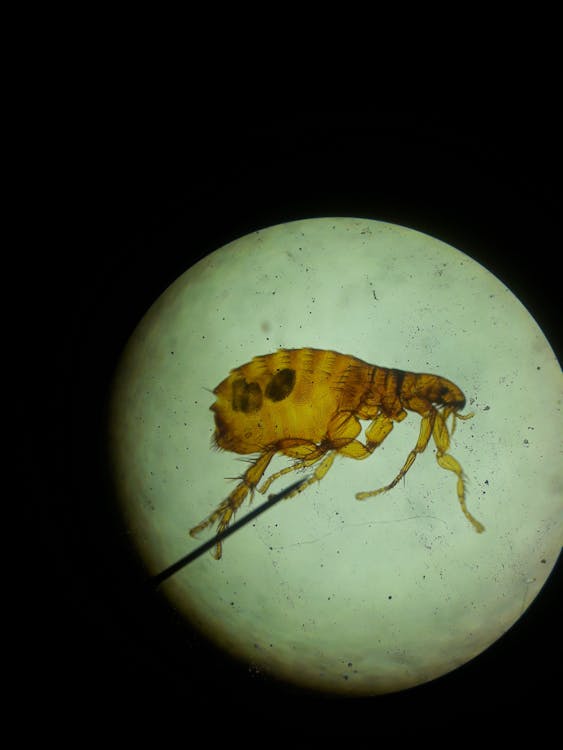
Fleas are one of the most common cat health problems — and one of the most frustrating to eliminate. A single flea can lay up to 50 eggs per day, so a small problem becomes a large infestation rapidly. While prescription flea treatments remain the most effective option, there are several safe home remedies that can help repel, remove, and reduce fleas on cats. This guide covers what works, what to approach carefully, and — critically — what to avoid, since several popular home remedies are actually toxic to cats.
Key Takeaways
- Most essential oils are TOXIC to cats — never apply tea tree, eucalyptus, lavender, or peppermint oil directly to a cat
- Flea combing and dish soap baths remove adult fleas but don’t kill eggs — must be used consistently
- Food-grade diatomaceous earth is safe for cats and kills fleas mechanically, not chemically
- Treating the cat alone is never enough — you must treat the home environment simultaneously
- Home remedies work best for mild infestations; moderate to severe cases need veterinary-prescribed treatment
⚠️ Critical Safety Warning: Toxic Remedies to AVOID
Before listing what works, it’s essential to know what’s dangerous. Cats have a unique liver enzyme deficiency (lack of glucuronyl transferase) that makes them unable to metabolize many compounds that are safe for dogs and humans. The following popular remedies are toxic to cats and must be avoided:
- Tea tree oil: Highly toxic to cats even in small amounts. Causes tremors, seizures, and liver failure.
- Eucalyptus oil: Toxic to cats — causes drooling, vomiting, and neurological symptoms.
- Lavender oil: Toxic to cats in concentrated form. Small diluted amounts may be tolerated but the risk is not worth it.
- Peppermint oil: Toxic to cats. Causes respiratory distress and neurological issues.
- Lemon/citrus juice on skin: Cats lack the enzymes to process citrus compounds. Can cause skin irritation and GI upset if ingested during grooming.
- Permethrin: Lethal to cats. Never use dog flea treatments on cats.
1. Flea Comb (Safest Immediate Method)
A fine-toothed flea comb is the safest, most direct way to remove adult fleas from a cat’s coat. Comb through the fur systematically, focusing on warm areas: neck, base of tail, belly, and armpits. After each stroke, dip the comb into a bowl of soapy water to drown any fleas caught. Repeat daily or every other day during an active infestation. While this doesn’t kill eggs or larvae, it reduces the adult flea burden significantly and gives you a real-time picture of infestation severity.
2. Dawn Dish Soap Bath
Plain Dawn (blue) dish soap kills adult fleas on contact by breaking down their exoskeleton and disrupting the surface tension of water, causing them to drown. Wet your cat thoroughly, lather with a small amount of Dawn, wait 5 minutes, then rinse completely. Work from head to tail to prevent fleas migrating to the face. Rinse until water runs completely clear — soap residue irritates the skin.
Important limitations: Dawn doesn’t repel fleas, doesn’t kill eggs, and can dry out the skin if used more than once per week. It’s a good emergency decontamination tool but not a standalone solution.
3. Apple Cider Vinegar Spray (Repellent, Not a Killer)
Diluted apple cider vinegar (1 part ACV to 2 parts water) creates an acidic coat that fleas dislike and will avoid. Spray lightly onto a cloth and wipe through the cat’s fur — never spray directly into the face or eyes. ACV does NOT kill fleas; it repels them. It’s useful as a preventive measure or to reduce flea activity between baths. Most cats tolerate diluted ACV well, though some dislike the smell.
4. Food-Grade Diatomaceous Earth
Food-grade diatomaceous earth (DE) is a safe, chemical-free powder that kills fleas by physically cutting through their exoskeleton and dehydrating them. It’s safe for cats when used correctly. Apply a light dusting to the cat’s fur (avoid the face and respiratory area), rub in gently, then brush through with a flea comb. Also sprinkle on carpets, bedding, and along baseboards to treat the environment. Leave for a few hours, then vacuum thoroughly. Reapply every 3–4 days. Use food-grade only — pool-grade DE is harmful.
5. Baking Soda for Environmental Treatment
Baking soda is most effective as an environmental flea control rather than a direct cat treatment. Sprinkle generously on carpets and upholstery, work it into fibers with a brush, leave for 24 hours, then vacuum thoroughly. The baking soda dehydrates flea eggs and larvae. Combine with salt (equal parts) for enhanced effect — salt is an additional desiccant that kills flea eggs. Do not apply directly to your cat’s coat in large amounts as it can cause skin irritation if overused.
6. Lemongrass (Plant-Based Repellent)
Lemongrass contains citral and geraniol, which are proven flea repellents. Unlike citrus (which is toxic to cats), lemongrass is generally considered safe in small amounts. You can place fresh lemongrass plants near your cat’s sleeping area as a passive repellent, or use a very diluted lemongrass hydrosol (not essential oil) as a light coat spray. However, consult your veterinarian before using any plant-based treatment on your cat — individual sensitivity varies.
7. Flea Trap with Dish Soap and Light
This treats your home environment, not the cat directly. Fill a shallow dish or roasting pan with water and add several squirts of dish soap. Place it on the floor with a lamp or nightlight positioned directly above it. Fleas are attracted to warmth and light, jump toward the source, and land in the soapy water where they drown. Set up at night in rooms where your cat sleeps. Empty and refill daily. Virginia Tech research found this simple trap to be among the most effective low-cost flea capture methods available.
8. Herbal Flea Repellent Spray (Cat-Safe Version)
A cat-safe herbal spray using only rosemary: steep 2 tablespoons of fresh rosemary in 2 cups of boiling water for 30 minutes. Strain, cool completely, and pour into a spray bottle. Mist lightly onto your cat’s coat (avoid face), or spray on bedding and sleeping areas. Rosemary is one of the few herbs considered safe for cats. This is a mild repellent, not a treatment for active infestation.
9. Vacuum and Wash Everything Aggressively
Approximately 95% of a flea infestation is in the home environment (eggs, larvae, pupae in carpets, bedding, and furniture) — not on the cat. Environmental treatment is therefore essential. Vacuum all carpets, upholstery, and hard floors daily during an active infestation, paying special attention to edges and under furniture. Immediately seal and dispose of vacuum bags outside. Wash all cat bedding in hot water (140°F/60°C) weekly. This single habit dramatically accelerates flea elimination.
10. Monthly Flea Prevention (Best Long-Term Strategy)
Once an infestation is under control, prevention is the priority. Veterinarian-prescribed monthly preventives (Frontline Plus, Revolution, Advantage, Bravecto) are the most reliable option and are far safer than repeated home treatments. For a more natural preventive approach, maintain regular flea combing, keep your cat indoors, treat the home environment monthly with DE and vacuuming, and use rosemary-based sprays on bedding.
Frequently Asked Questions
Is tea tree oil safe to use for fleas on cats?
No — tea tree oil is toxic to cats and should never be applied to them or used in their environment. Cats groom themselves and will ingest anything applied to their coat. Tea tree oil poisoning in cats causes tremors, weakness, incoordination, and can be fatal. Use food-grade diatomaceous earth or diluted ACV instead.
How do I know if my cat has fleas?
Signs include: excessive scratching and grooming, small dark specks (flea dirt) in the coat that turn red when wet, visible small jumping insects in the fur, hair loss around the neck and tail base, and pale gums (in severe cases indicating anemia from blood loss).
How long does it take to get rid of a flea infestation?
Typically 3–8 weeks with consistent treatment. Flea pupae can remain dormant in carpets for up to 6 months, emerging when they detect warmth and vibration. This is why infestations seem to rebound — continued environmental treatment for at least 8 weeks is necessary even after you stop seeing fleas on your cat.
Can I use dog flea treatment on my cat?
Never. Many dog flea treatments contain permethrin, which is lethal to cats. Even small amounts from a treated dog can poison a cat that grooms itself against the dog. Always use products specifically labeled for cats.