


Ants inside walls are harder to eliminate than surface ants because standard sprays cannot reach the nest. Wall nests require treatments that penetrate deep into the colony — baits that workers carry back, or dusts applied through small drill holes. Identifying the ant species is the essential first step, as it determines where the nest is and which treatment works best.
Key Takeaways
- Surface sprays kill ants you can see but do not reach wall nests — bait is the only DIY method that works on hidden colonies
- Carpenter ants (large, black) are the most damaging wall species — they excavate wood and require aggressive treatment
- Never spray with a repellent insecticide near bait stations — it will deter ants from the bait
- A rustling or crinkling sound from walls at night is a strong indicator of carpenter ant activity
- Moisture is the primary reason ants nest in walls — fixing leaks is as important as any bait treatment
Quick Answer
Place slow-acting ant bait gel (Terro or equivalent) along ant trails and near entry points — workers carry it back to the queen. Do not spray anywhere near the bait. Fix any moisture sources (leaks, condensation) that make the wall void attractive. Track where ants enter the wall and apply boric acid dust into the void if possible. Expect 1–3 weeks for full colony elimination.
Identify the Ant Species First
| Species | Size | Appearance | Wall Damage? | Primary Treatment |
|---|---|---|---|---|
| Carpenter Ant | 6–½ inch | Large, black or bi-coloured | Yes — excavates wood galleries | Boric acid dust into void, gel bait |
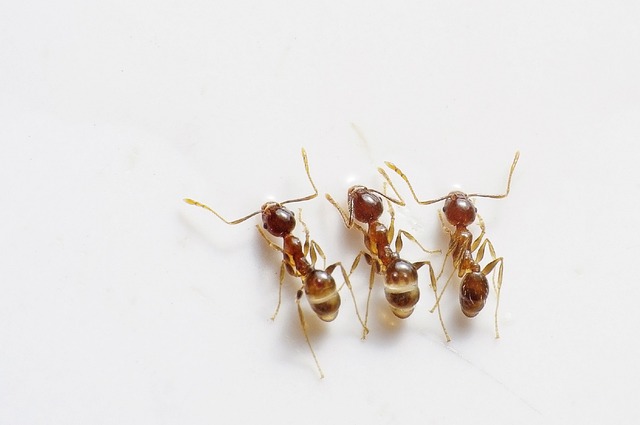
| Odorous House Ant | 1/16–1/8 inch | Dark brown/black, smells of coconut when crushed | No | Gel bait (borax/sugar) |
| Pavement Ant | 1/8 inch | Dark brown, parallel grooves on head | No | Gel bait, diatomaceous earth at entry points |
| Argentine Ant | 1/16 inch | Light to dark brown, trails of thousands | No | Multiple bait stations — large super-colonies |
Why Ants Are in Your Walls
Ants nest in walls for two reasons: moisture and shelter. Wall voids offer temperature-stable, protected environments. Carpenter ants are specifically attracted to moisture-damaged wood — any water damage to wall framing makes the space ideal for their colonies. Other species use wall voids as sheltered satellite nests connected to a main outdoor colony. In both cases, addressing the moisture source is as important as eliminating the ants.
10 Natural Methods to Get Rid of Ants in Walls
Method 1: Slow-Acting Gel Bait — Most Effective
Slow-acting gel bait is the only DIY treatment that reaches hidden wall colonies. Workers forage to the bait, consume it, and carry it back to feed larvae and the queen. The key is “slow-acting” — if it kills workers too quickly, they die before returning to the nest.
- Place bait along ant trails and near confirmed entry points — not randomly throughout the house
- Use Terro Liquid Ant Bait (borax-based) for odorous house ants and most common species
- Do not disturb or spray near bait stations — repellents will deter ants from the bait
- You may see more ants initially as workers discover the bait — this is normal and desirable
- Replace bait every 3–5 days until activity stops completely
Method 2: Boric Acid Dust into Wall Voids
For confirmed wall nests (especially carpenter ants), boric acid dust injected into the wall void directly is highly effective. Drill a small hole (3/16 inch) at the base of the wall near the nest and use a puffer bottle to apply boric acid dust. The dust coats ants as they move through the void and is carried back through the colony. Seal the drill hole with caulk after treatment.
Safety: Boric acid is toxic to pets if ingested in significant amounts — dust injected into a sealed wall void poses minimal risk, but avoid application where pets can access treated surfaces.
Method 3: Fix Moisture Problems
Carpenter ants almost always indicate moisture-damaged wood. Locate and fix the water source — leaking roof, pipe drip, bathroom condensation entering the wall. Without fixing the moisture, the wall void remains attractive to new colonies even after the current one is eliminated. The same damp conditions also draw in house centipedes and silverfish — addressing moisture fixes all three.
Method 4: Diatomaceous Earth at Entry Points
Apply food-grade diatomaceous earth at every visible ant entry point — gaps around pipes, baseboards, windowsills — to kill ants crossing into the living space. A thin, barely visible layer is most effective. Combine with gel bait for maximum effect.
Method 5: Peppermint Oil Barrier
Spray diluted peppermint oil (15 drops per 500ml water) along baseboards and around entry points. Ants avoid peppermint oil. Important: keep peppermint spray away from bait stations. Use peppermint as a perimeter deterrent along walls where you don’t want ants to cross, while bait handles the colony elimination.
Method 6: Cinnamon Barrier
Ground cinnamon or cinnamon essential oil repels ants — they will not cross a cinnamon line. Sprinkle along windowsills, door thresholds, and around pipe entry points. Safe for pets and children. Replace after cleaning or when the scent fades (every 2–3 days).
Method 7: DIY Borax Bait
Mix 1 tablespoon of borax with 3 tablespoons of powdered sugar and a few drops of water to form a thick paste. Place in small container lids near ant trails. Borax disrupts ant digestion and kills the colony within 1–2 weeks when carried back to feed larvae. A homemade version of commercial gel bait. Keep away from pets.
Method 8: Seal All Entry Points
After eliminating the colony, seal every entry point to prevent reinfestation. Caulk gaps around baseboards and pipe entry points. Seal gaps in window frames. Apply weatherstripping to doors. Ants can return through the same routes within days if openings are left unsealed.
Method 9: White Vinegar at Trail Disruption Points
White vinegar destroys the pheromone trails ants use to navigate. Spray diluted vinegar (1:1 with water) along visible ant trails after baiting is established. This disrupts outdoor trail connections to the wall nest without deterring ants from the indoor bait. Do not spray vinegar near bait stations.
Method 10: Professional Treatment for Carpenter Ants
If carpenter ants persist after 3–4 weeks of consistent baiting, or if you hear significant activity in walls (the characteristic crinkling sound of galleries being excavated), call a pest control professional. Carpenter ants can cause serious structural damage to wood framing, and a professional can locate the colony precisely using thermal imaging or moisture meters and inject treatments directly.
Frequently Asked Questions
How do I know if ants are nesting inside my walls?
Key signs: seeing ants emerging from gaps in baseboards or window frames with no obvious entry from outdoors; a rustling or crinkling sound from inside walls at night (particularly associated with carpenter ants excavating galleries); piles of fine sawdust-like material (frass) near wall base, which is carpenter ant debris.
Do ants damage walls?
Carpenter ants damage wood framing by excavating galleries — they do not eat wood but remove it to create nesting space. Over time this weakens structural timbers. Other common house ant species (odorous, pavement, Argentine ants) do not damage wood or walls and are a nuisance pest only.
Why do I hear sounds from inside my walls?
A rustling or crinkling sound from walls, most audible at night, is a strong indicator of carpenter ant activity — thousands of ants moving through galleries produce the distinctive sound. Other sources include mice (louder, more random) or settling wood. Carpenter ant sounds are rhythmic and consistent.
How long does it take to get rid of ants in walls?
Gel bait typically eliminates a colony in 1–3 weeks, depending on colony size and how reliably workers are carrying bait back. Carpenter ant colonies are larger and may take 3–4 weeks. If activity has not reduced after 4 weeks of consistent baiting, professional treatment is warranted.