



Kudzu bugs can invade your home and garden by the thousands. These small, olive-green pests congregate on warm walls in the fall, looking for gaps to enter and overwinter. While they don’t bite or sting, crushing them releases a foul odor and a yellow staining fluid that can cause skin blistering. The key to repelling kudzu bugs is combining physical removal, host plant control, and sealing your home’s exterior. Here is a complete guide to getting rid of kudzu bugs naturally.
What Are Kudzu Bugs?
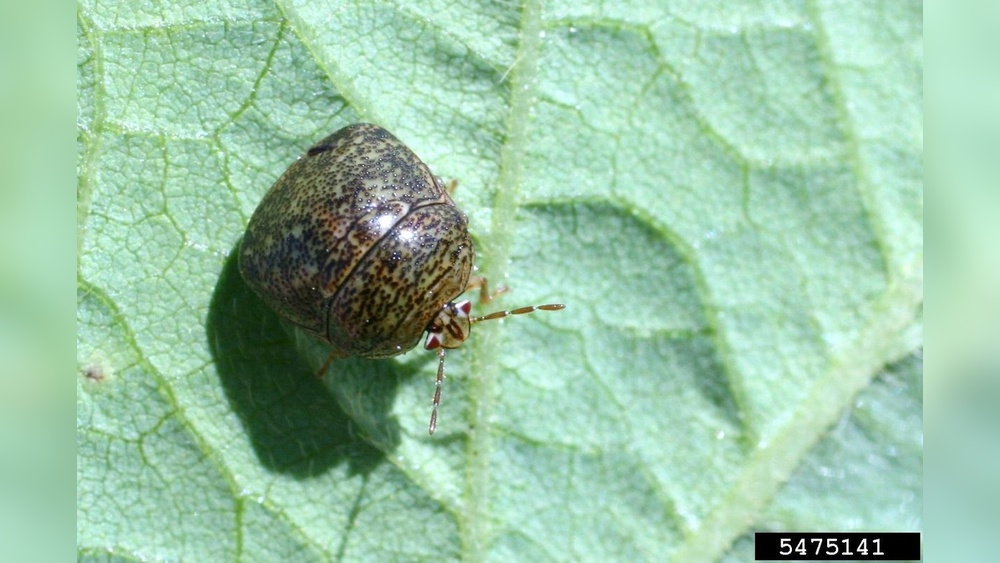
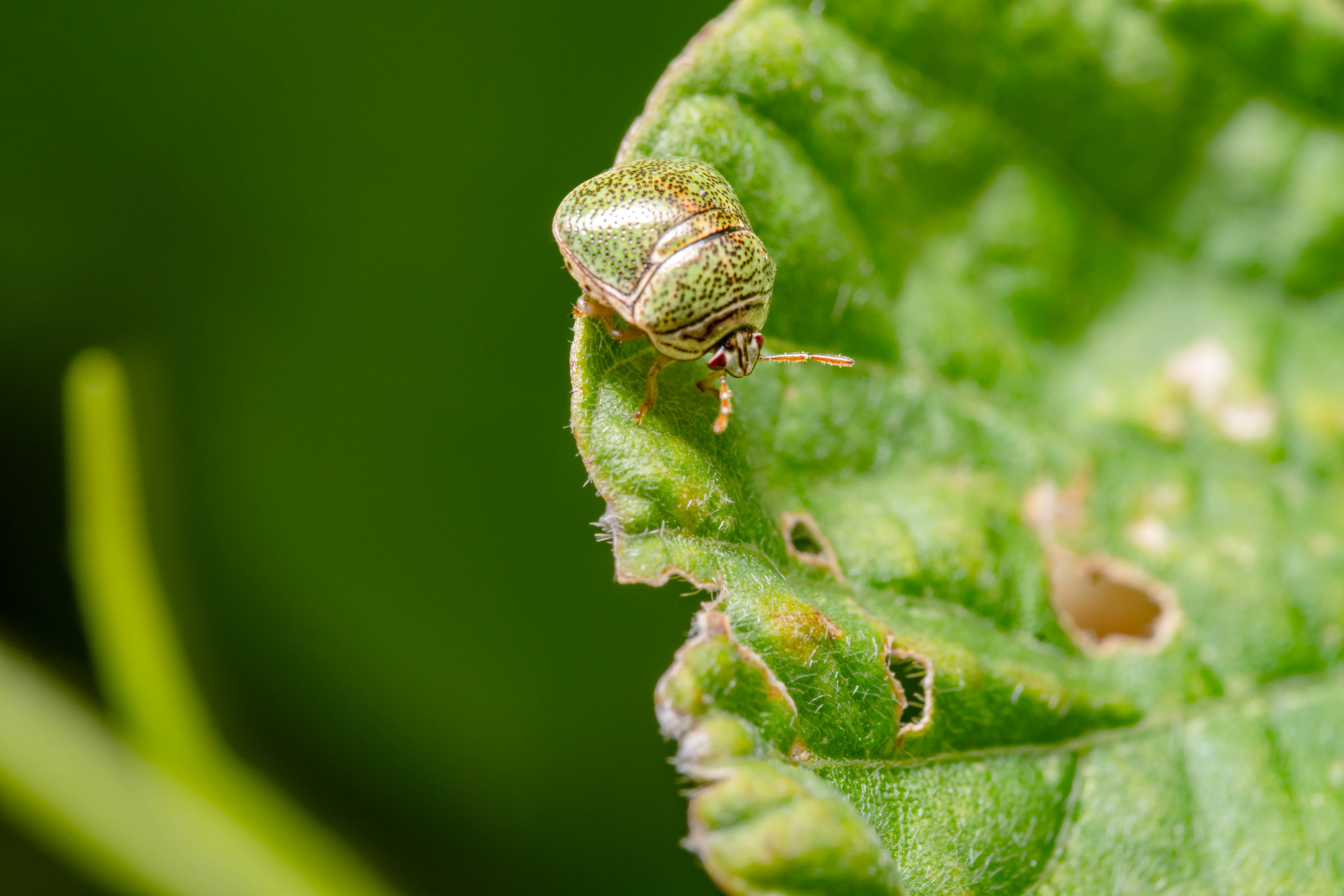
Kudzu bugs (Megacopta cribraria) are invasive globular stink bugs native to Asia. First discovered in the United States in Georgia in 2009, they have rapidly spread across the Southeast. They are active during the warm spring and summer months, feeding primarily on kudzu vines, soybeans, and other legumes like wisteria. In autumn, as temperatures drop, they search for shelter to survive the winter, often swarming light-colored siding, brick walls, and utility penetrations on residential homes.

Why You Should Never Crush Kudzu Bugs
When threatened or crushed, kudzu bugs release a pungent defense odor similar to stink bugs. More importantly, their body fluids contain chemicals that cause yellow-orange staining on walls, siding, fabrics, and human skin. For sensitive individuals, contact with this fluid can result in skin irritation, redness, or painful blisters. Always wear gloves when handling them and rely on physical trapping or vacuums rather than squashing them.
6 Proven Natural Methods to Get Rid of Kudzu Bugs
Method 1: Soapy Water Drowning
A bucket of soapy water is the simplest and most effective way to eliminate clusters of kudzu bugs on garden plants. Fill a bucket with water and mix in 2 tablespoons of organic liquid dish soap. Position the bucket directly beneath the infested branches and tap or shake the plant gently. The bugs will drop into the soapy water. The soap breaks the surface tension of the water, preventing the bugs from floating or escaping, and suffocates them quickly.
Method 2: Hand Vacuuming (The Safe Collector)
When kudzu bugs swarm your home’s exterior walls or slip inside, use a vacuum cleaner to collect them without crushing them. A shop vac or hand-held vacuum with a crevice tool works best. To prevent the bugs from smelling up your vacuum canister, insert a stocking or pantyhose into the vacuum wand, secure it around the rim with a rubber band, and suck the bugs into the stocking pocket. When finished, tie off the stocking and submerge it in soapy water to kill the bugs.

Method 3: Insecticidal Soap and Neem Oil
For direct plant sprays, mix a natural insecticidal soap (1 tablespoon per quart of water) or neem oil. Spray this directly onto the kudzu bugs. Insecticidal soap breaks down the waxy cuticle layer of their exoskeleton, causing dehydration. Neem oil acts as an organic repellent and hormone disruptor. Keep in mind that these organic contact sprays have little to no residual effect—you must spray the bugs directly to kill them.
Method 4: Light-Colored Soapy Bucket Traps
Kudzu bugs are strongly attracted to bright, light-colored surfaces, especially white and yellow. You can build a simple passive trap by filling a white bucket or container with soapy water and placing it in direct sunlight near your garden. The bugs will fly toward the bright white container, land in the water, and drown. This is a great, chemical-free way to reduce their numbers around vegetable gardens.
Method 5: Remove Host Plants (Kudzu Vines & Wisteria)
The most effective long-term control is eliminating their food source. Kudzu bugs depend on kudzu vines and wisteria to feed and reproduce. If you have kudzu patches or wild wisteria growing near your property line, remove or kill these vines. Without these host plants, kudzu bug populations in your immediate vicinity will collapse.
Method 6: Exterior Home Sealing (Exclusion)
To keep kudzu bugs out of your living spaces during fall migration, you must seal your home’s envelope. Inspect your siding, foundation, windows, and doors for any gaps. Use high-quality silicone caulk to seal cracks around window and door frames, repair any torn window screens, and install heavy-duty door sweeps. Check soffit vents and attic vents, ensuring they are covered with fine wire mesh screen (1/8-inch or smaller).
What Not to Do
- Do not squish them: This triggers their chemical defense, leaving hard-to-clean yellow stains and emitting a foul smell.
- Do not spray broad-spectrum chemical insecticides on flowers: This kills beneficial pollinators like bees and butterflies.
- Do not leave vacuumed bugs in the bag: They will die, rot, and smell. Always empty them into soapy water immediately.
Frequently Asked Questions
What are kudzu bugs and where do they come from?
Kudzu bugs are small, olive-green insects originally from Asia that arrived in the US around 2009. They feed on kudzu vines and soybean plants, and in fall they migrate to homes seeking warm places to overwinter.
Are kudzu bugs harmful to humans or pets?
Kudzu bugs are not harmful to humans or pets. They do not bite or sting. However, they release an unpleasant odor when crushed and can cause minor skin irritation. Avoid squashing them indoors u2014 use a vacuum instead.
What is the best natural way to get rid of kudzu bugs?
A soapy water spray (1 tablespoon dish soap per quart of water) kills kudzu bugs on contact. Neem oil, diatomaceous earth, and vacuuming are also very effective. Sealing entry points is the best long-term prevention.
Why do I have kudzu bugs in my house?
Kudzu bugs enter homes in fall through small cracks and gaps around windows, doors, and utility penetrations as they look for a warm place to overwinter. Homes near fields or wooded areas with kudzu plants are especially vulnerable.
How do I keep kudzu bugs from coming back next year?
In late summer, seal all cracks and gaps in your homeu2019s exterior using caulk and weatherstripping. Install door sweeps, repair window screens, and consider treating the perimeter with a residual insecticide spray before bug season begins.