


Stink bugs present a unique challenge: kill them the wrong way and the defensive odour they release spreads through your home. But ignore them and they signal to others that your home is a safe overwintering site — stink bugs release aggregation pheromones that attract more. The key is removing them without triggering the smell, then preventing entry for the following season.
Key Takeaways
- Never crush stink bugs indoors — the odour they release is persistent and difficult to remove from soft furnishings
- The best removal methods are vacuuming with a dedicated vacuum or trapping in soapy water
- Stink bugs overwinter indoors and emerge in spring — they are not breeding inside your home
- Prevention through sealing is more effective than any reactive treatment — sealing must happen in late summer before they seek entry
- Stink bugs are agricultural pests but harmless to humans — they don’t bite, sting, or carry disease
Quick Answer
Capture stink bugs using a container of soapy water held beneath them (they drop when threatened) or vacuum them using a shop vac or a vacuum with a disposable bag. In autumn, seal all gaps around windows, doors, and utility entry points before stink bugs seek winter shelter. Apply peppermint oil spray around entry points as a deterrent.
Understanding Stink Bug Behaviour
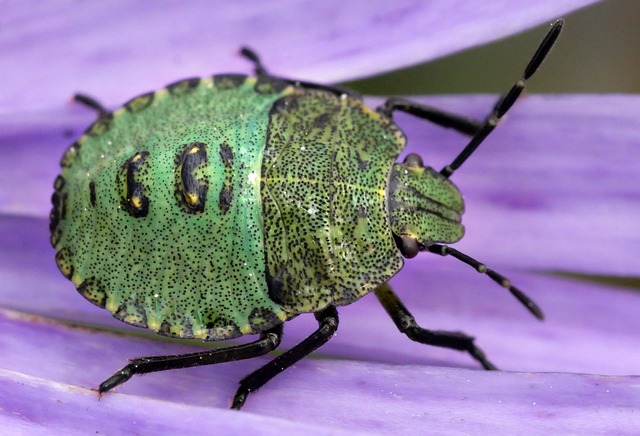
Brown marmorated stink bugs (Halyomorpha halys) are not indoor pests year-round — they are outdoor agricultural insects that seek sheltered overwintering sites in late summer and autumn (September–October). Your home’s wall voids, attic space, and window frames are attractive winter shelter. They become active again in spring (March–April) when warming temperatures cause them to emerge, often into living spaces.
They do not breed indoors, do not eat anything inside your home, and are harmless to humans. The stink gland odour (trans-2-decenal and trans-2-octenal compounds) is a defensive mechanism triggered by squishing, vacuuming quickly, or direct chemical contact. Boxelder bugs share this same overwintering behaviour and are often confused with stink bugs — their removal methods overlap significantly.
10 Methods to Get Rid of Stink Bugs
Method 1: Soapy Water Trap (Best for Individual Removal)
Hold a container of soapy water (1 tablespoon of dish soap per litre) beneath a stink bug. Stink bugs instinctively drop when disturbed rather than flying. They fall into the soapy water, which destroys the surface tension and drowns them before they can release their odour. This is the cleanest and most odour-free removal method for individual bugs.
Method 2: Vacuum with a Disposable Bag
A standard vacuum will kill stink bugs and may release their odour inside the vacuum cleaner, which then circulates through the house with every subsequent use. Use a vacuum with a disposable bag — seal and bin the bag immediately after. A shop vac with water in the tank (so bugs drown on contact) eliminates the odour problem entirely. Empty immediately after use.
Method 3: DIY Light Trap
Stink bugs are attracted to light at night. In a dark room, point a light source at a bowl or bucket of soapy water. Bugs attracted to the light fall in and drown. Best run overnight in rooms with high stink bug activity. Effective for reducing populations during peak emergence in spring.
Method 4: Peppermint Oil Spray
Mix 10–15 drops of pure peppermint essential oil in 500ml of water. Spray along windowsills, door frames, and any gaps where stink bugs are entering. Reapply every 5–7 days. The strong scent deters stink bugs from crossing into treated areas. Best used as a preventive measure and alongside sealing.
Method 5: Seal All Entry Points (Most Important Prevention)
Timing is critical — sealing must be done in late summer (August–September) before stink bugs begin seeking overwintering sites. Once they are inside wall voids, sealing traps them and they will emerge into living spaces in spring.
- Caulk all gaps around window frames, door frames, and pipe entry points
- Install or replace worn door sweeps and weatherstripping
- Screen attic vents with fine mesh
- Seal gaps around utility boxes, cable entry points, and air conditioning units
Method 6: Rubbing Alcohol Spray
70% isopropyl alcohol sprayed directly on a stink bug kills it quickly without triggering the full odour release. The alcohol penetrates faster than the bug can activate its defence gland. Useful for individual bugs on hard surfaces. Do not use near open flames.
Method 7: Diatomaceous Earth at Entry Points
Apply food-grade diatomaceous earth along windowsills, door thresholds, and around pipe entry points. Stink bugs crawling through it sustain exoskeletal damage and die within hours. A thin, barely visible layer is more effective than a heavy application which bugs may avoid.
Method 8: Cedar Products
Cedar blocks, cedar oil spray, or cedar sachets placed near windows and in attic spaces repel stink bugs with their aromatic compounds. A natural, chemical-free deterrent that also repels moths and other insects. Replace or sand annually.
Method 9: Kaolin Clay Spray (Outdoor, For Gardens)
Kaolin clay sprayed on garden plants creates a physical barrier that stink bugs cannot grip or feed through. Approved for organic use, it washes off in rain and must be reapplied but effectively protects garden plants from stink bug damage — reducing the population near your home before they seek winter shelter.
Method 10: Exclude with Fine Mesh Screens
Install fine mesh screens (at least 20×20 mesh per inch) on attic vents, chimney openings, and any openings where standard screening may be coarser. Stink bugs can squeeze through openings that allow air circulation if mesh is too coarse. Check and replace damaged screens before autumn.
What Not to Do
- Don’t crush stink bugs indoors — the odour is released immediately and clings to soft furnishings for hours to days
- Don’t flush stink bugs — they can survive in water for a surprisingly long time and may escape; use soapy water to kill first
- Don’t seal gaps in autumn if bugs are already inside — trapping them in wall voids means they emerge into living spaces in spring
Frequently Asked Questions
Why do I suddenly have lots of stink bugs in my house?
Stink bugs emerge from overwintering sites (wall voids, attic spaces) in spring when temperatures rise. If you are seeing large numbers suddenly, they have been overwintering in your home’s walls since autumn and are now seeking their way back outdoors. They also release aggregation pheromones that attract more bugs to the same location year after year.
What smell do stink bugs hate?
Stink bugs are most strongly deterred by peppermint oil, clove oil, and lemon eucalyptus. Cedar is also an effective repellent. These work best as preventive measures applied to entry points before bugs seek winter shelter in late summer.
Do stink bugs come back to the same house every year?
Yes. Stink bugs release aggregation pheromones that persist and attract future generations to the same overwintering site. Thoroughly sealing entry points after removing this year’s population is the only way to break the cycle.
Are stink bugs harmful to humans or pets?
No. Stink bugs do not bite, sting, or carry disease. The defensive odour is unpleasant but not toxic. Some pets may be temporarily bothered if they mouth a stink bug, but there is no health risk. They are purely an agricultural pest and nuisance insect.