




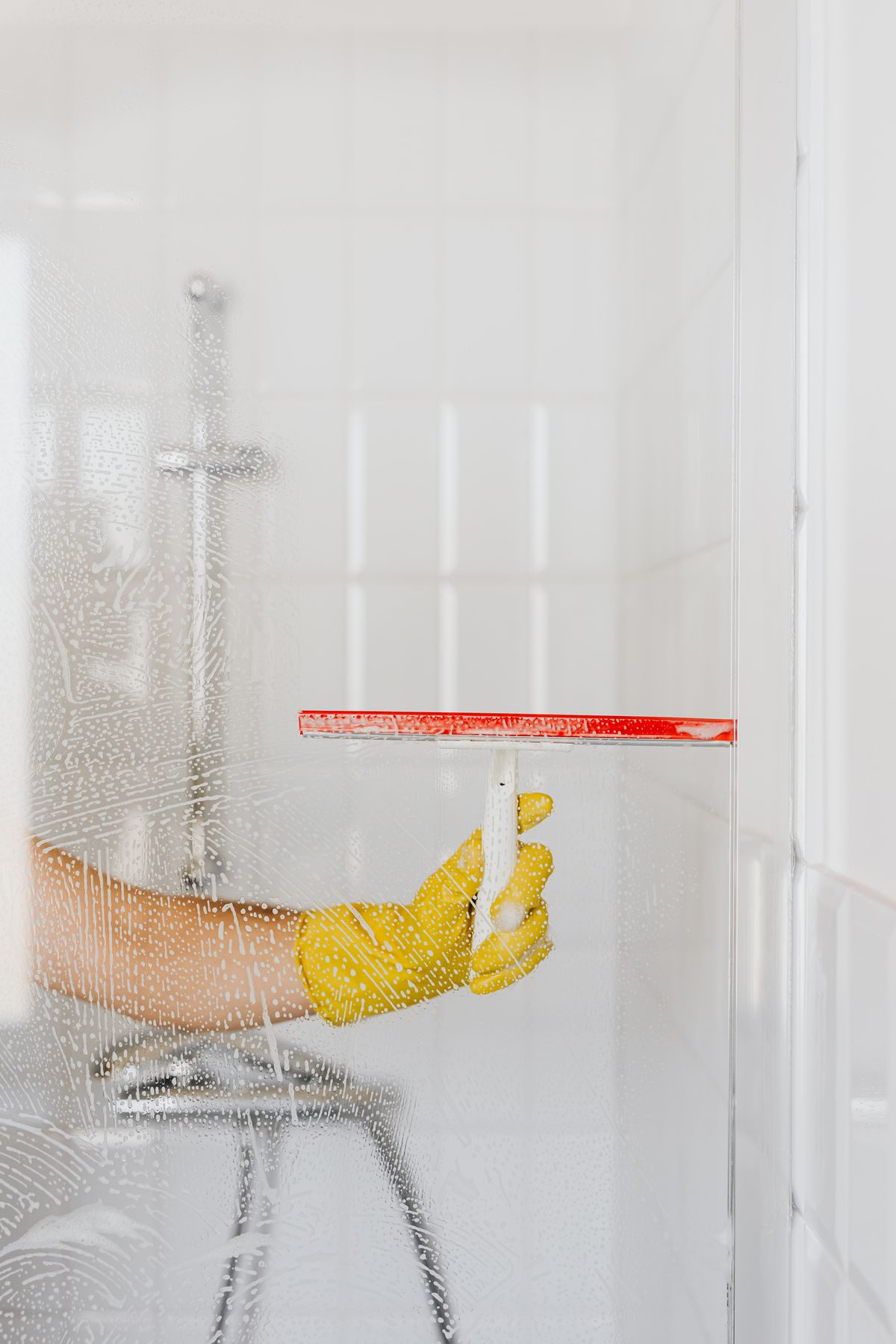
Cigarette smoke leaves behind more than just a smell. Over time it deposits a sticky, yellowish film on glass that ordinary window cleaners barely touch. The residue is a cocktail of tar, nicotine, and combustion byproducts that bond to surfaces — which is why your usual streak-free spray often just smears it around.
This guide covers the six most effective methods for removing smoke film from windows, including commercial cleaners, DIY solutions, and a step-by-step process that actually works the first time.
Table of Contents
Why Cigarette Smoke Is Hard to Remove from Windows
Three properties make smoke residue particularly stubborn on glass:
- It’s sticky. Tar and nicotine are semi-viscous at room temperature. They grip glass rather than sitting on top of it, which is why a dry wipe just redistributes the film.
- It penetrates micro-scratches. Even clean glass has microscopic surface imperfections. Smoke particles lodge in these, making the film difficult to lift without a degreasing agent.
- The smell outlasts the residue. Even after the visible film is gone, volatile compounds remain embedded in the surface. You need an odour-neutralising ingredient — not just a cleaner — to fully eliminate the smell.
6 Methods That Work
1. White Vinegar Solution (Best DIY Option)
White vinegar is mildly acidic, which cuts through tar and nicotine effectively without damaging glass. Mix equal parts white vinegar and warm water in a spray bottle. Spray generously, let it sit for 60 seconds, then wipe with a microfiber cloth using overlapping circular motions. For heavy build-up, use undiluted vinegar on the first pass.
The smell of vinegar dissipates within 15 minutes of drying — it does not linger.
2. Ammonia-Based Cleaners (Strongest Commercial Option)
Ammonia is a powerful degreaser that breaks down nicotine bonds faster than most alternatives. Windex Original (which contains ammonia) is one of the most effective commercial options for smoke-stained glass. Spray it on, leave it for 30 seconds, and wipe with a clean microfiber cloth. Avoid ammonia-based cleaners on tinted windows, as it can damage the film over time.
Ventilate well when using ammonia — keep windows open and avoid mixing with bleach or other cleaning products.
3. Rubbing Alcohol (70% Isopropyl)
Isopropyl alcohol dissolves the oily components in smoke residue quickly and evaporates without leaving streaks. Apply it to a microfiber cloth (not directly to the glass) and wipe in one direction. This method is particularly good for moderate build-up and works well on car windows and smaller panes.
4. Baking Soda Paste (For Heavy Staining)
Mix three parts baking soda with one part water to form a thick paste. Apply it to the glass with a soft cloth and rub gently in circles. Baking soda is a mild abrasive that physically lifts embedded residue without scratching glass. Rinse thoroughly and follow with a vinegar spray to remove any chalky residue.
5. Dish Soap and Warm Water
A few drops of grease-cutting dish soap (Dawn or similar) in warm water makes an effective first-pass cleaner for light to moderate smoke film. It won’t tackle heavy, built-up residue on its own, but it’s a good starting point before applying a stronger solution, and it’s safe on all window types including tinted glass.
6. Commercial Smoke Odour Eliminators
Products like ZEP Smoke Odor Eliminator or CLR Brilliant Bath are specifically formulated to break down smoke compounds. These are worth using when smell elimination is the priority alongside cleaning. Apply per label instructions and wipe clean — they typically leave no residue and neutralise odour rather than masking it.
Step-by-Step Cleaning Process
Regardless of which method you choose, the technique matters as much as the product. Here’s the process that prevents streaks and ensures you actually remove the film rather than spread it.
- Wipe away loose debris first. Use a dry microfiber cloth to remove dust and loose particles. Skipping this step means your cleaning solution will turn to muddy smear.
- Apply your chosen cleaner generously. More is better on the first pass — you want the solution to stay wet long enough to dissolve the residue rather than drying mid-wipe.
- Wait 30–60 seconds. Let the cleaning agent do the chemical work before you start wiping. This is the step most people skip, and it’s why they end up streaking.
- Wipe in an S-pattern. Start at the top corner and work across and down in overlapping S-strokes. Never use circular motions for the final wipe — they redistribute residue rather than removing it.
- Flip or replace your cloth frequently. A saturated cloth just re-deposits what it’s picked up. Use a fresh cloth for the final buff.
- Do a second pass if needed. Heavy build-up from years of indoor smoking often requires two full rounds of cleaning. The first pass lifts the top layer; the second removes what’s underneath.
- Buff dry. Finish with a clean, dry microfiber cloth to eliminate streaks while the glass is still slightly damp.
Prevention Tips
Once cleaned, keeping windows smoke-free is much easier than a deep clean.
- Ventilate when smoking indoors. Even cracking a window open significantly reduces how much residue settles on glass surfaces.
- Use an air purifier with a HEPA and activated carbon filter. Carbon filters specifically capture volatile organic compounds from smoke before they settle on surfaces.
- Clean windows monthly if smoking occurs indoors. Light, regular cleaning takes two minutes and prevents the heavy build-up that requires an hour to remove.
- Apply a glass sealant after deep cleaning. Products like Rain-X create a hydrophobic barrier that makes future cleaning significantly easier.
Frequently Asked Questions
Can regular window cleaner remove cigarette smoke from glass?
Standard glass cleaners like Windex Blue (ammonia-free version) are too mild for heavy smoke residue. The ammonia-based original Windex works better, but white vinegar or isopropyl alcohol outperform it on significant build-up.
Does cigarette smoke permanently stain windows?
No. Even decades of build-up can be removed with the right degreasing agent and enough passes. The residue bonds to the surface but does not chemically alter the glass itself.
Can I use these methods on car windows?
Yes, with one exception: avoid ammonia-based cleaners on tinted car windows, as ammonia degrades window tint film over time. Use isopropyl alcohol, vinegar solution, or an ammonia-free cleaner instead.
How long does the smell last after cleaning?
If you use a product that neutralises odour (ZEP, CLR, or vinegar), the smell should be gone once the glass is dry — typically within 15–30 minutes. If only the visual film is removed but the smell lingers, a second clean with white vinegar usually resolves it.
How often should I clean smoke-stained windows?
If smoking occurs regularly in the room, a light clean once a month prevents build-up from reaching the heavy-staining stage. A deep clean every three to six months is recommended for rooms with frequent indoor smoking.


