


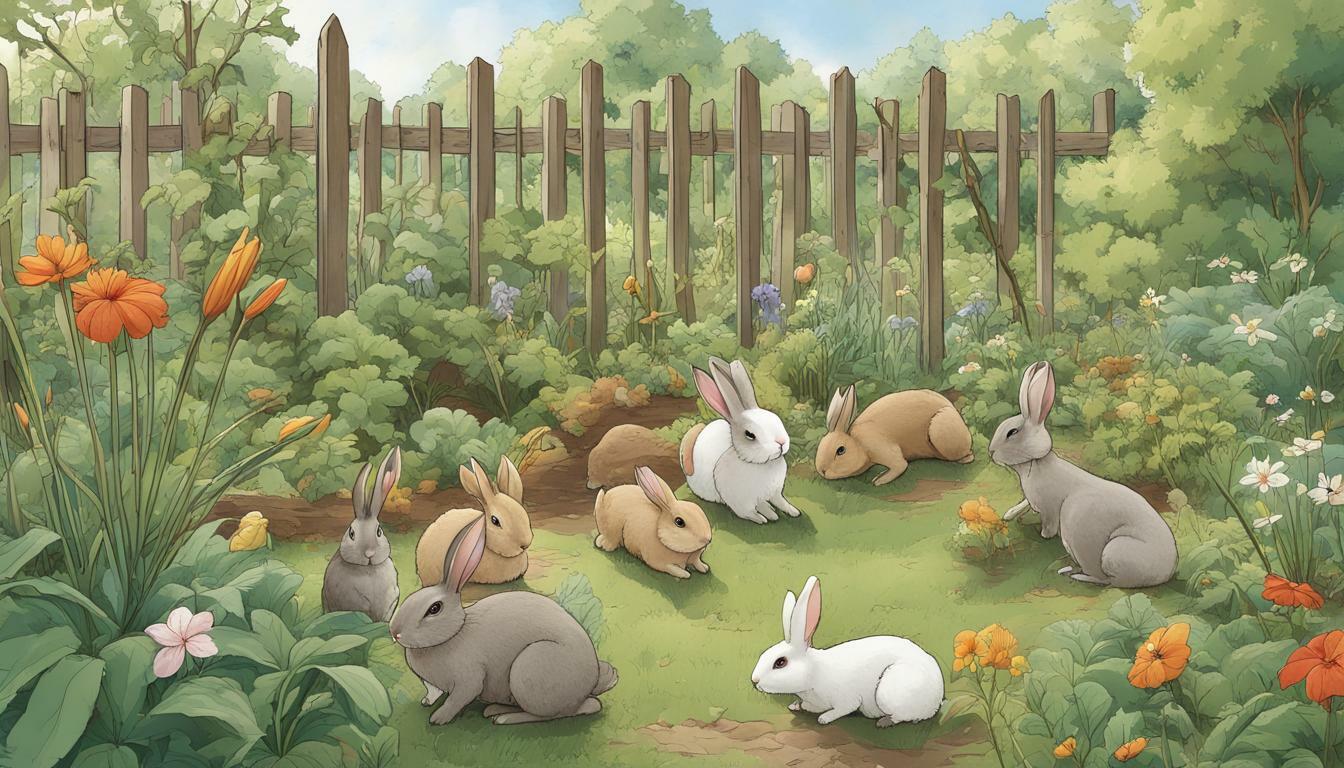
Rabbits are adorable — until they discover your garden. A single rabbit can destroy a vegetable bed overnight, and once they establish feeding habits in your yard, they keep coming back. The good news: you don’t need toxic chemicals or cruel traps to stop them. This guide covers 12 proven, natural methods to keep rabbits away from your plants for good.
Key Takeaways
- Fencing is the single most reliable rabbit deterrent for garden beds
- Rabbits hate strong scents — garlic, hot pepper, predator urine, and Irish Spring soap all work
- Combining 2–3 methods gives far better results than relying on just one
- Start early in the season before rabbits build feeding habits in your yard
- Rabbit-resistant plants and companion planting reduce damage long-term
Understanding Rabbit Behavior
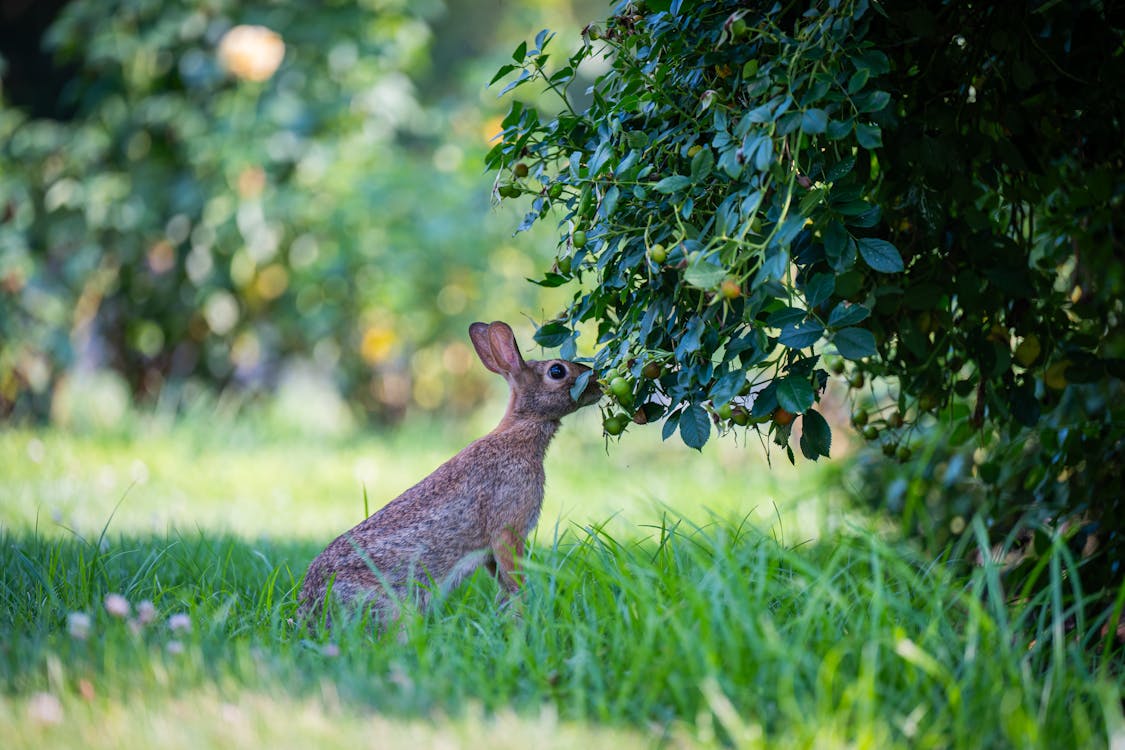
Before you can stop rabbits, you need to understand them. Eastern cottontails — the most common garden pest rabbit in North America. If you also have deer or groundhogs in your garden, many of the same fencing and repellent methods apply — are most active at dawn and dusk. They feed on tender young shoots, leafy vegetables, herbs, and bark. They prefer low, dense cover nearby so they can flee predators quickly.
Key behavioral facts that shape your strategy:
- Rabbits are creatures of habit and will return to the same feeding spots daily
- They can jump up to 3 feet high but rarely jump over barriers if they can go around
- They’ll dig under fences — burial depth matters
- They avoid wide-open spaces where they feel exposed
- Young rabbits (kits) are bolder and more destructive than adults

1. Install Rabbit-Proof Fencing (Most Reliable Method)
Nothing beats a properly installed fence. Use hardware cloth or chicken wire with openings no larger than 1 inch. The fence must be:
- At least 2–3 feet tall above ground
- Buried 6–12 inches underground and bent outward in an L-shape to prevent digging under
- Checked regularly for gaps, especially at gate corners
For individual plants or small beds, use cylindrical wire cages pushed a few inches into the soil. This is especially useful for newly planted seedlings in spring when rabbits are most aggressive.
2. Use Cloth Row Covers
Lightweight garden fabric (row cover) draped over plants creates a physical barrier rabbits can’t get through. Bonus: it also protects against frost and some insects. Secure the edges with soil, rocks, or garden staples. For windy sites, row covers also prevent plants from being flattened. You can treat the fabric with a nontoxic repellent spray for extra protection.
3. Apply a Homemade Repellent Spray
Scent-based sprays make your plants unappetizing. Here are three effective DIY recipes:
| Recipe | Ingredients | How to Use |
|---|---|---|
| Hot Pepper Spray | 1 tbsp cayenne + 1 quart water + few drops dish soap | Spray directly on plant leaves; reapply after rain |
| Garlic Spray | 4 crushed garlic cloves + 1 quart water, strained | Spray around plant bases and soil perimeter |
| Tabasco Spray | 1 oz Tabasco + 1 gallon water | Spray on and around plants; reapply weekly |
Always test on a small leaf area before spraying the whole plant. Reapply after rain or heavy watering — this is where most people fail with repellent sprays.
4. Does Irish Spring Soap Repel Rabbits?
Yes — Irish Spring soap is a surprisingly effective rabbit deterrent. The strong fragrance overwhelms their sensitive noses. Grate the soap into flakes and scatter around plant beds, or hang mesh bags of soap chunks on stakes around the garden perimeter. Replace every 2–3 weeks or after heavy rain. It’s cheap, non-toxic, and easy to use — a popular KGR-friendly solution many gardeners swear by.
5. Do Coffee Grounds Keep Rabbits Away?
Coffee grounds have a strong smell rabbits dislike, and they also mildly acidify soil — beneficial for acid-loving plants. Sprinkle used coffee grounds in a thick band around plant bases. They won’t provide complete protection on their own, but combined with other methods they add an extra deterrent layer. Reapply every few days or after rain.
6. Use Blood Meal or Bone Meal
Blood meal is one of the most potent natural rabbit repellents available. The scent signals danger (predator presence) to rabbits, causing them to avoid the area. Sprinkle it around plant perimeters. It also doubles as a nitrogen-rich fertilizer — a win-win. Bone meal works similarly. Reapply after rain and avoid over-applying near acid-sensitive plants.
7. Scatter Human Hair or Pet Fur
Hair from hairbrushes or pet grooming carries human/predator scent that rabbits find alarming. Stuff it into mesh bags and hang around the garden, or scatter it loosely in beds. Ask your local barber shop for clippings — they usually give them away free. Effective for 1–2 weeks before the scent fades.
8. Apply Predator Urine
Coyote or fox urine (available at garden centers and online) triggers a hard-wired flee response in rabbits. Apply it around the perimeter of your garden, not directly on plants. Reapply every 1–2 weeks. This is especially effective in spring and early summer when rabbits are most actively foraging.
9. Install Noise and Motion Devices
Rabbits are prey animals — sudden movement and noise startle them. Effective options include:
- Motion-activated sprinklers — most effective; delivers a harmless water burst when triggered
- Pinwheels and wind chimes — create unpredictable movement and sound
- Reflective tape or old CDs — flashing light disorients rabbits
- Owl or hawk decoys — move them regularly so rabbits don’t habituate
Important: rabbits habituate to stationary deterrents within days. Rotate placement every 3–4 days for best results.
10. Plant Rabbit-Resistant Varieties
| Category | Rabbit-Resistant Plants |
|---|---|
| Flowers | Daffodils, Marigolds, Geraniums, Zinnias, Snapdragons |
| Herbs | Lavender, Rosemary, Sage, Thyme, Basil, Mint |
| Vegetables | Asparagus, Tomatoes, Peppers, Squash, Cucumber |
| Shrubs/Borders | Boxwood, Spirea, Russian Sage |
Interplant these throughout your garden rather than isolating them. A mixed-bed approach makes the whole garden less appealing to rabbits.
11. Companion Planting Strategy
Companion planting positions strong-scented, rabbit-repellent plants as a living border around your vulnerable crops. Plant garlic, onions, or marigolds at the edges of beds. Interplant lavender or rosemary between rows of lettuce or carrots. Tall plants like sunflowers and corn around the perimeter also create a visual/physical barrier rabbits are reluctant to cross.
12. Mulching and Garden Maintenance
A well-maintained garden is less inviting to rabbits. Keep grass trimmed short around beds to eliminate cover. Remove brush piles, wood stacks, and dense ground cover near the garden — rabbits need nearby shelter. Cedar mulch in beds deters rabbits (and insects) with its scent, while also retaining moisture and suppressing weeds.
Also: clear away fallen fruit, rotting vegetables, and debris that might attract rabbits as supplemental food.
Encouraging Natural Predators
Owls, hawks, and foxes naturally keep rabbit populations in check. Install an owl nest box on a tall post near your garden. Avoid using rodenticides that poison birds of prey through the food chain. A dog or cat that spends time in the garden also significantly reduces rabbit activity — their scent alone deters many rabbits.
Seasonal Timing Tips
- Early spring: Put up fencing and start repellent sprays before the first planting — don’t wait for damage to appear
- Summer: Young kits are active and bold; double up on deterrents June–August
- Fall/Winter: Rabbits gnaw bark on young trees and shrubs; wrap trunks with hardware cloth cylinders
Conclusion
The most effective rabbit control combines a physical barrier (fencing or row covers) with 1–2 scent deterrents and good garden hygiene. No single method works perfectly on its own — but layering strategies creates a garden that rabbits actively avoid. Start early, stay consistent with reapplication, and swap out motion devices regularly to prevent habituation. Your plants will thank you.
Frequently Asked Questions
What is the best natural rabbit repellent for gardens?
A combination of chicken wire fencing buried 6–12 inches deep and a hot pepper or garlic spray applied weekly gives the best results. Blood meal and predator urine are also highly effective scent deterrents.
Does Irish Spring soap keep rabbits out of the garden?
Yes. Grated Irish Spring soap scattered around plant beds or hung in mesh bags on stakes repels rabbits effectively. Replace every 2–3 weeks or after rain.
Do coffee grounds keep rabbits away?
Coffee grounds have a strong smell that rabbits dislike and can help as part of a multi-method approach. They’re not powerful enough on their own but work well alongside fencing or sprays.
How high does a rabbit fence need to be?
At least 2 feet tall (3 feet is safer). The fence must also be buried 6–12 inches underground and bent outward in an L-shape to prevent digging underneath.
What plants do rabbits hate most?
Rabbits strongly dislike lavender, rosemary, marigolds, daffodils, and mint. Plants with fuzzy textures, thorns, or very strong scents are generally avoided.
What smell do rabbits hate most?
Rabbits most strongly dislike the smell of predator urine (fox, coyote), sulfur-based compounds (blood meal, bone meal), garlic, and hot pepper. Strong-scented herbs like lavender, rosemary, and mint also rank highly as natural rabbit deterrents. These scents work because they either mimic danger signals or overwhelm the rabbit’s sensitive olfactory system. The most potent and long-lasting natural option is blood meal, which both fertilises the soil and keeps rabbits at bay.
Do marigolds keep rabbits away from vegetables?
Yes, marigolds are moderately effective as a rabbit deterrent when planted as a border around vegetable beds. Their strong, pungent scent deters rabbits from crossing into the protected area. French marigolds are more effective than African varieties due to their stronger scent. For best results, plant a dense continuous border rather than scattered individual plants, and combine with other methods like wire mesh fencing for vulnerable crops.
How high should a rabbit-proof garden fence be?
A rabbit-proof garden fence should be at least 2 feet (60cm) tall above ground, made from chicken wire or hardware cloth with openings no larger than 1 inch. Critically, the bottom 6 inches must be buried and bent outward in an L-shape underground to prevent burrowing underneath. Without the buried L-shaped base, rabbits will simply dig under the fence within days.