




Indoor humidity above 60% creates a perfect environment for mould, mildew, dust mites, and wood damage. It makes summer heat feel more oppressive and causes condensation on windows that can lead to frame rot. The ideal indoor humidity is 30–50% — low enough to prevent mould growth, high enough to avoid dry air problems. This guide covers 10 proven methods to bring humidity down and keep it there.

Key Takeaways
- Target indoor humidity: 30–50% — measure with a hygrometer ($10–20 at hardware stores)
- A dehumidifier is the most direct and controllable solution for chronic high humidity
- Exhaust fans in bathrooms and kitchens remove moisture at the source before it spreads through the house
- Fixing leaks and moisture intrusion is the only permanent solution if water is entering from outside
- Air conditioning naturally dehumidifies as it cools — often solving the problem without any other action
What Causes High Indoor Humidity?
Before treating the symptoms, identify the source. Common causes include: cooking without an exhaust fan, long showers in poorly ventilated bathrooms, clothes drying indoors, leaking pipes or roof, rising damp through floors or walls, a poorly ventilated crawl space, an undersized or poorly maintained air conditioning system, and simply living in a humid climate. Knowing the source determines which solution will actually work long-term.
Signs Your Home Has Too Much Humidity
- Condensation regularly forming on windows, walls, or pipes
- Musty or mouldy smell, especially in bathrooms, basements, and wardrobes
- Visible mould spots (black, green, or grey patches) on walls or ceilings
- Peeling wallpaper or bubbling paint
- Wood floors or furniture warping
- Persistent respiratory symptoms or allergies worsening indoors
1. Install a Dehumidifier (Most Direct Solution)
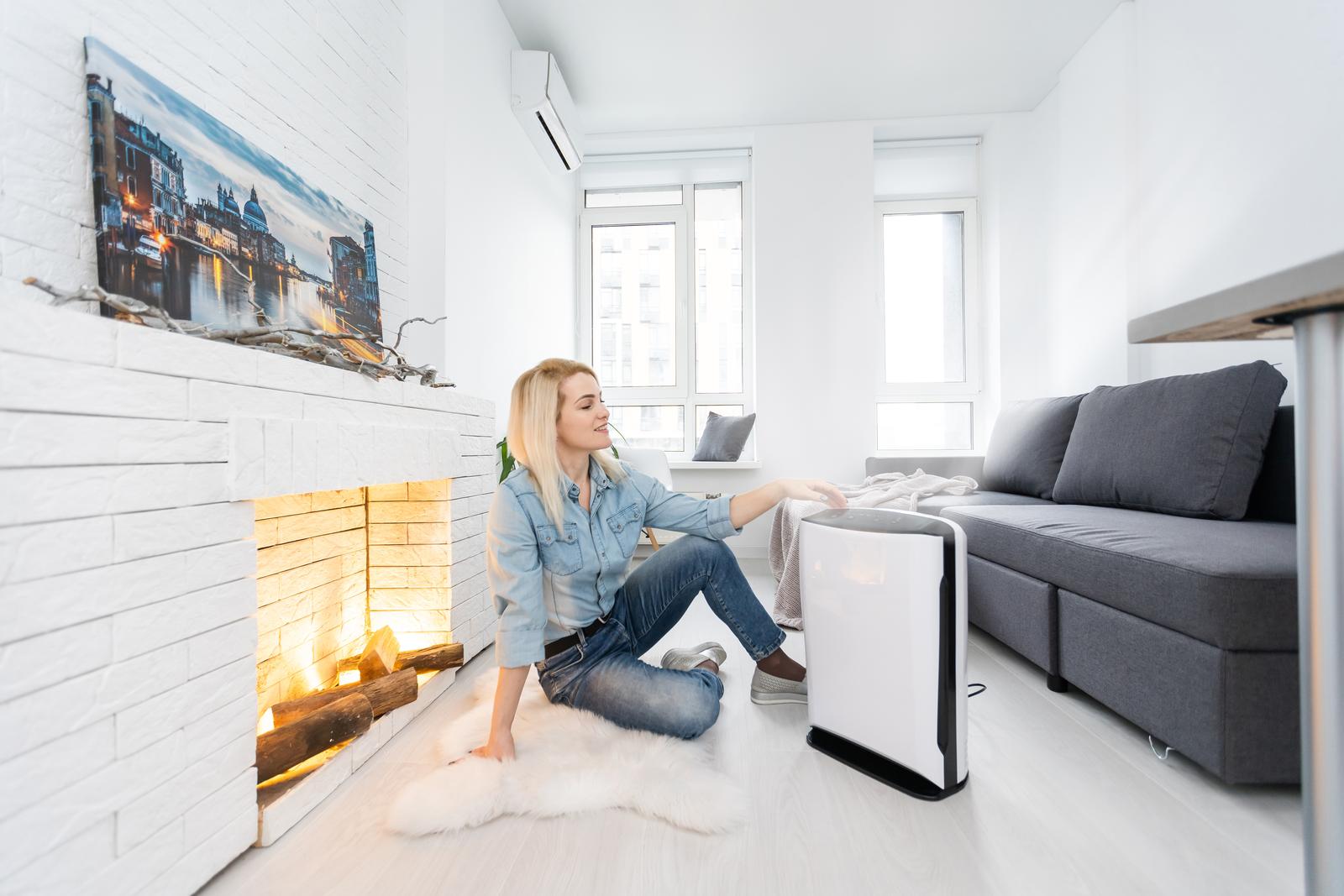
A dehumidifier pulls moisture from the air and collects it in a reservoir. Set the target humidity to 45–50% and let it run. Sizing guide: 30–50 pint capacity for basements and highly humid rooms; 50–70 pint for whole-home dehumidification in humid climates. Models with continuous drain hoses eliminate manual emptying. Place in the most humid area first (usually basement or bathroom). A dehumidifier is the right choice when you need precise, controllable humidity management regardless of external weather.
| Step | Action |
|---|---|
| 1. Location | Place away from walls, in the most humid area. Avoid direct sunlight. |
| 2. Set target | Set to 45–50% relative humidity |
| 3. Empty tank | Empty reservoir daily, or connect continuous drain hose |
| 4. Clean filter | Wash filter every 2–4 weeks for optimal performance |
| 5. Monitor | Check with hygrometer weekly; adjust settings as needed |
2. Use Exhaust Fans Consistently
Bathroom and kitchen exhaust fans are the first line of defence against moisture buildup. Run the bathroom fan during every shower and for 20–30 minutes afterward — this is the single habit change that most reduces bathroom mould. Run the kitchen exhaust fan while cooking, especially boiling water or simmering. Ensure exhaust fans actually vent to the outside — fans that vent into the attic or ceiling void simply move humid air to another problem area. If your exhaust fans are old and quiet, they may not be moving enough air — look for fans rated at 80+ CFM for bathrooms.
3. Run Air Conditioning
Air conditioners remove moisture from the air as a byproduct of cooling — the condensation that drips from the unit is humidity being extracted from your home. In humid climates, AC is often sufficient to maintain comfortable indoor humidity through summer. Change the AC filter regularly — a clogged filter reduces airflow, reducing dehumidification efficiency. If your AC is old and oversized for the space, it may cool quickly without running long enough to properly dehumidify — a correctly sized unit is important for both comfort and humidity control.
4. Ventilate the Home
On days when outdoor humidity is lower than indoor humidity (typically cooler mornings), open windows and doors to allow drier outside air to replace the humid indoor air. Use fans to create cross-ventilation — a fan blowing outward in one window while another window is open on the opposite side of the house creates an effective air exchange. Check outdoor humidity before opening windows — opening windows on a hot, humid summer afternoon brings in more humid air than it removes.
5. Fix All Moisture Intrusion Sources
If moisture is entering from outside — through the foundation, a leaking roof, condensation on cold pipes, or rising damp — no amount of dehumidification will solve the problem permanently. Fix leaking pipes and taps immediately. Check roof and gutters annually. Seal foundation cracks with hydraulic cement. Install a vapour barrier (heavy plastic sheeting) on crawl space floors to prevent ground moisture rising into the home. This step is the most impactful for homes with structural moisture problems.
6. Change Daily Habits That Add Moisture
- Shorter, cooler showers: Hot showers produce significant steam — reduce temperature or duration
- Cover pots when cooking: Simmering uncovered pots release large amounts of steam
- Dry clothes outside or in a dryer vented outside: Indoor drying of laundry dramatically increases room humidity
- Store firewood outside: Green or freshly cut firewood releases significant moisture as it dries
- Move indoor plants outdoors in summer: Plants release water vapour through transpiration
7. Improve Insulation and Draught-Proofing
Cold surfaces cause warm humid air to condense — improving insulation warms those surfaces and prevents condensation. Insulating cold water pipes prevents condensation forming on them. Double-glazed windows are significantly less prone to condensation than single-glazed. Draught-proofing gaps around doors and windows (with weatherstripping and door sweeps) prevents humid outside air infiltrating in humid conditions. Good insulation also reduces energy costs, making it a double-benefit investment.
8. Use Natural Absorbents
For small enclosed spaces like wardrobes, cupboards, and bathrooms without ventilation: silica gel packets, rock salt in a container, or activated charcoal bags absorb ambient moisture from the air. These are low-capacity solutions — they supplement rather than replace a dehumidifier for whole-room humidity control. Replace or recharge monthly. Silica gel can be reactivated by drying in an oven at 250°F/120°C for 1–2 hours.
9. Install Proper Crawl Space Ventilation
Homes with crawl spaces are particularly susceptible to high indoor humidity because ground moisture rises through the crawl space into the living areas above. Solutions: lay a 6-mil polyethylene vapour barrier across the entire crawl space floor, ensure crawl space vents are open and unblocked, or install a crawl space dehumidifier (more effective than passive ventilation in very humid climates). A damp crawl space often explains why a house feels persistently humid despite exhaust fans and dehumidifiers in the main living areas.
10. Move Furniture Away from Walls
Furniture pushed against exterior walls creates cold, stagnant air pockets where condensation forms and mould grows invisibly. Leave at least 2–4 inches between furniture and exterior walls to allow air circulation. This is a common cause of mould on the back of wardrobes and sofas that appears with no obvious moisture source — the solution is simply improved airflow, not chemical treatment.
Frequently Asked Questions
What is the fastest way to reduce humidity in a house?
Run a dehumidifier set to 45% with all windows and doors closed — this is the fastest mechanical reduction. If you don’t have a dehumidifier, run the air conditioning and all exhaust fans simultaneously. On days with lower outdoor humidity, open windows to cross-ventilate. A dehumidifier can typically lower relative humidity by 10–15% within 1–2 hours in a room.
How do I know if my home has too much humidity?
Buy a digital hygrometer ($10–20 at hardware stores) — it gives a precise real-time reading of relative humidity. Above 60% consistently indicates a humidity problem that needs addressing. You can also recognise high humidity by condensation on windows in mild weather, persistent musty smells, visible mould, and discomfort that doesn’t improve with AC alone.
Can high humidity make you sick?
Yes. High indoor humidity promotes mould growth (which causes respiratory symptoms and allergic reactions), increases dust mite populations (which trigger asthma and allergies), and creates conditions where bacteria thrive. People with asthma, allergies, or respiratory conditions are most affected, but persistent mould exposure is a health risk for anyone. The EPA recommends keeping indoor humidity below 60% to prevent mould growth.