




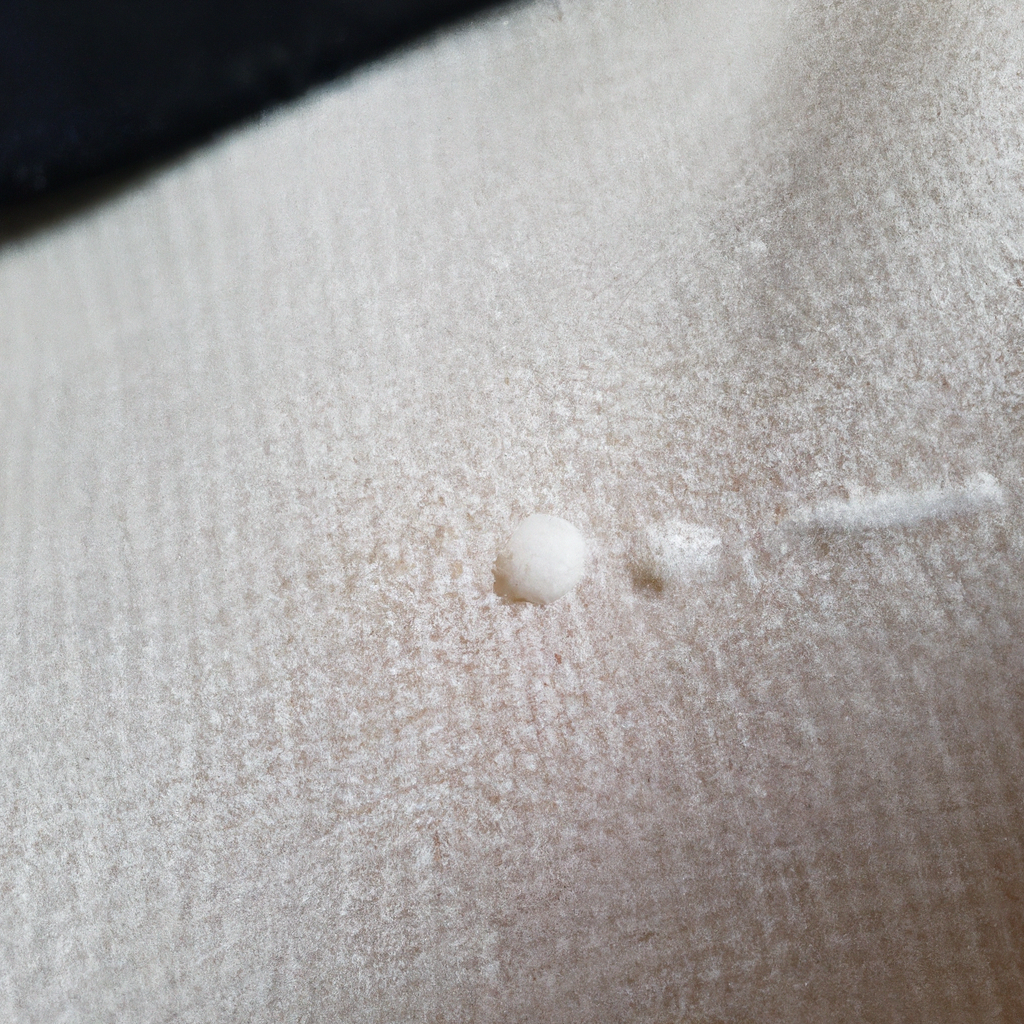
Super glue bonds in seconds and feels permanent — but it isn’t. Cyanoacrylate adhesive (the active compound in super glue) has specific chemical weaknesses you can exploit. The right approach depends on the fabric type and whether the glue is still wet or has already cured. Here are 6 methods that work, plus exactly what to avoid.
Key Takeaways
- Let glue dry completely before treating — attempting removal while wet spreads it further
- Acetone (nail polish remover) is the most effective solvent, but damages acetate, triacetate, and some synthetic fabrics
- Always test any solvent on a hidden seam area before treating the stain
- Apply acetone from the reverse side of the fabric to push the glue out, not deeper in
- Silk, wool, leather, and dry-clean-only garments should go straight to a professional
Before You Start: Critical Rules
- Let it dry first. Wet super glue smears and spreads. Wait until it’s hard and non-sticky before treating.
- Check the care label. Dry-clean-only garments go to a professional — no exceptions.
- Test first. Apply a tiny amount of your chosen solvent to an inner seam or hem. Wait 2 minutes and check for colour loss or texture change before proceeding.
- Work from the reverse side when applying acetone — this pushes the glue out of the fabric rather than deeper into it.
Method 1: Acetone / Nail Polish Remover (Most Effective)
Acetone dissolves cyanoacrylate bonds directly — it’s the professional go-to for super glue removal from most fabrics.
- First, scrape off any raised dried glue with a blunt edge (spoon or butter knife)
- Flip the garment inside out
- Soak a cotton ball in acetone and dab repeatedly on the reverse side of the stain
- The glue should transfer onto the cotton ball as it dissolves — use a fresh ball each time
- Once the bulk is removed, apply a small amount of laundry detergent and wash on a cold cycle
Do NOT use acetone on: acetate, triacetate, modacrylic, rayon, or any fabric labelled dry-clean only. It will melt or dissolve these materials.
Method 2: Freezer Method (Best for Delicate Fabrics)
Cold makes cyanoacrylate brittle and easy to fracture off fabric without chemical risk.
- Place the garment in a sealed plastic bag
- Put in the freezer for 2–3 hours (or overnight for best results)
- Remove and immediately flex the fabric — the frozen glue should crack and lift off
- Use a blunt edge to gently pop off any remaining pieces while still cold
- Follow up with dish soap and cold water to remove any residue
This is the safest method for delicate fabrics (silk, rayon, embellished items) and avoids chemical risk entirely. May not fully remove very deep or thick glue deposits.
Method 3: Non-Acetone Nail Polish Remover
Non-acetone removers (typically contain ethyl acetate or isopropyl alcohol) are gentler than acetone and safer on a wider range of fabrics, but slower. Apply with a cotton ball, working from the outside edge of the glue inward. Needs more repetitions than acetone but is safe for polyester, nylon, and most synthetics that acetone would damage. Still test on a hidden area first.
Method 4: Rubbing Alcohol (Isopropyl Alcohol)
70% or 91% isopropyl alcohol partially breaks down super glue bonds and is safer than acetone for most fabrics. Apply generously to a cotton ball and work the stain from the outer edge inward, dabbing steadily. It takes more time and effort than acetone but is effective on cotton, polyester, and blends. Works best on smaller glue deposits. Follow up with dish soap and cold water washing.
Method 5: White Vinegar (Mild, Safe for Most Fabrics)
Warm white vinegar softens super glue bonds through acetic acid action. It’s one of the safest options for coloured, delicate, or synthetic fabrics. Soak the glued area in warm white vinegar for 30 minutes. Gently rub the softened glue with a soft brush or toothbrush. Rinse with cold water and repeat. Less powerful than acetone but significantly lower risk of fabric damage.
Method 6: Commercial Super Glue Remover
Products specifically formulated to dissolve cyanoacrylate (like Loctite Super Glue Remover or Debond) are available at hardware stores and are effective on fabrics most solvents can’t safely treat. Follow the manufacturer’s instructions precisely. These are particularly useful for large glue deposits, multiple layers, or garments where acetone is unsafe.
By Fabric Type: Quick Reference
| Fabric | Recommended Method | Avoid |
|---|---|---|
| Cotton | Acetone (reverse side), then wash | Hot water |
| Polyester / Nylon | Non-acetone remover, rubbing alcohol | Acetone (may damage) |
| Acetate / Triacetate | Freezer method, white vinegar | Acetone (dissolves fabric) |
| Silk / Wool | Professional dry cleaner | All solvents |
| Denim | Acetone (test first), freezer method | Hot water before stain is removed |
| Synthetic blends | Non-acetone remover, rubbing alcohol | Acetone without testing |
Removing Super Glue from Shoes and Other Items
For leather shoes: apply a small amount of acetone to a cotton bud and dab only on the glue spot. Leather can handle brief acetone contact but buff and condition it afterward. For rubber soles: acetone works well with no damage risk. For suede: the freezer method is safest — avoid all liquids on suede. For synthetic shoe materials: rubbing alcohol is the safest starting point.
How to Prevent Super Glue on Clothes
- Use gel-formula super glue (less likely to drip or run than liquid)
- Place a piece of wax paper under the item being repaired to catch drips
- Wear dedicated work clothes or a protective apron when using super glue
- Use precision applicator tips for controlled application
- Apply less — super glue works better with tiny amounts than with excess
Frequently Asked Questions
Does acetone ruin clothes?
Acetone is safe on most natural fibres (cotton, linen) and many synthetics, but it dissolves acetate, triacetate, and modacrylic fabrics. Always test on a hidden inner seam before treating the visible stain. Apply briefly and rinse quickly — prolonged exposure increases the risk of colour loss on some dyed fabrics.
Can super glue be washed out of clothes?
Not by washing alone — super glue is water-resistant and won’t come out in a normal wash cycle. It requires a chemical solvent (acetone, rubbing alcohol, or non-acetone remover) to break the bond before washing. Once the bond is broken, wash normally on a cold cycle.
What removes super glue instantly?
Acetone (100% pure or acetone-based nail polish remover) dissolves super glue the fastest. Apply to the reverse side of the fabric with a cotton ball and the glue typically breaks down within 1–2 minutes of contact. Commercial super glue removers (Debond, Loctite Remover) work similarly.
Is it safe to use nail polish remover on coloured clothing?
Test first on a hidden seam. Most acetone-based removers are safe on colourfast cotton and polyester but can lift colour on some dyed fabrics. If the test shows any colour transfer or change, switch to non-acetone remover, rubbing alcohol, or the freezer method instead.


