
Are you tired of dealing with pesky flies in your home? Commercial fly control products can be expensive and often contain harmful chemicals. But did you know that you can make your own homemade spray to keep flies away?
Our homemade spray is not only affordable and easy to make, but it’s also a safe and effective solution for keeping flies at bay. With just a few simple ingredients, you can make your own natural fly repellent spray that is safe for use around children and pets.
Using our homemade spray is a great way to keep your home fly-free without breaking the bank or exposing your family to harmful chemicals. Say goodbye to pesky flies and hello to a more natural and affordable solution.
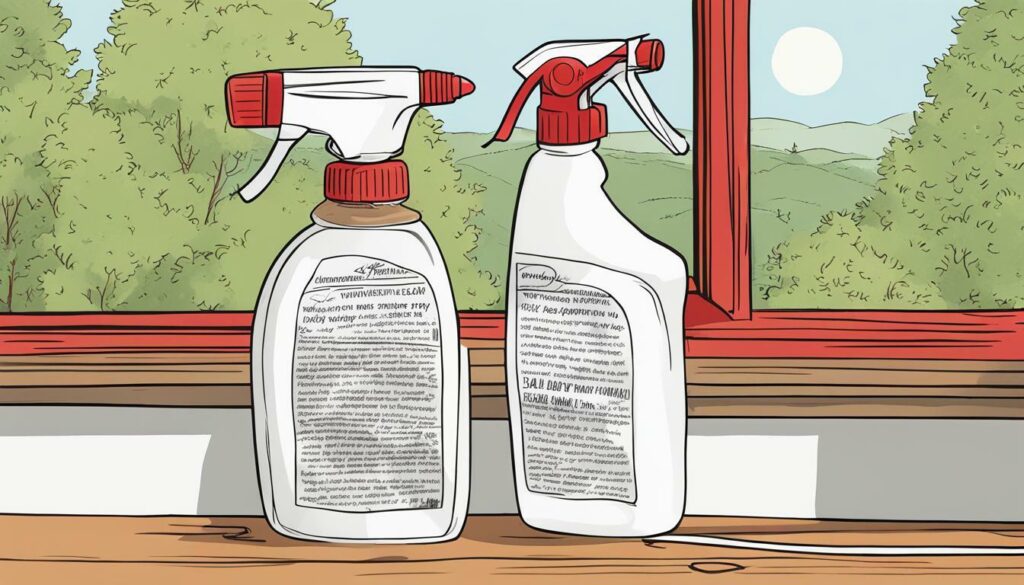
The combination of water, white vinegar, lavender oil, and peppermint oil makes this homemade fly repellent spray effective. The water and vinegar help to repel the flies, while the lavender and peppermint oils work to confuse and deter them. In addition, dish soap helps break the mixture’s surface tension, making it easier to spray and ensuring that the mixture covers a larger area.
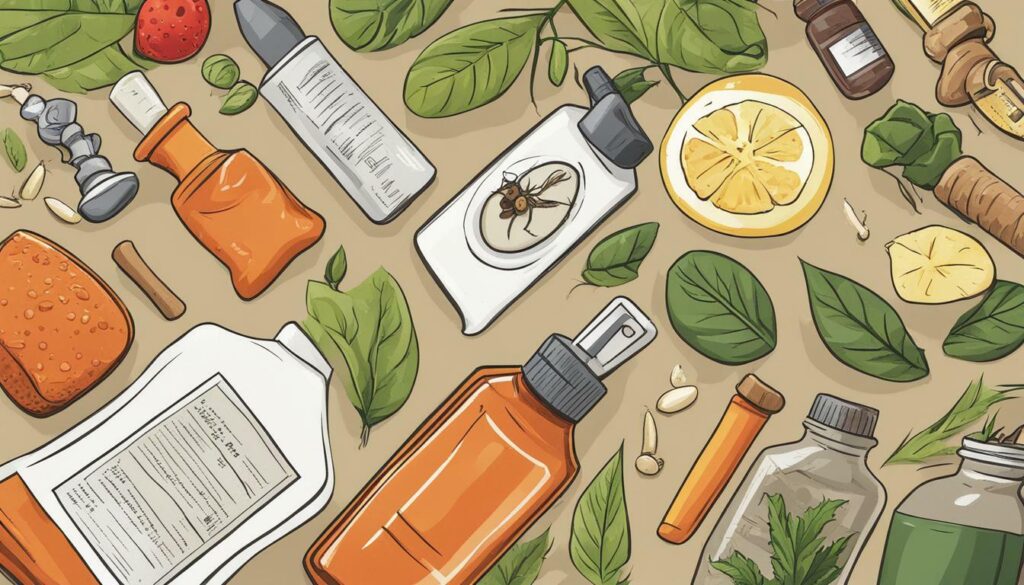
 The combination of scents, masking effects, irritants, and neurological disruption makes homemade fly repellent spray highly effective in keeping flies away from your home.
 Don’t forget to test the spray’s effectiveness and adjust as needed periodically. With these tips, you can use your homemade fly repellent spray to keep your home fly-free and enjoy the benefits of a safe, affordable, and effective solution.
 In summary, using a homemade fly repellent spray has numerous benefits, including safety, affordability, and effectiveness. By making your own spray, you can create a natural, eco-friendly solution to keep flies away from your living spaces.
The advantages of using a homemade spray over commercial products are clear, and we encourage you to try the recipe and experience the benefits for yourself.
In summary, using a homemade fly repellent spray has numerous benefits, including safety, affordability, and effectiveness. By making your own spray, you can create a natural, eco-friendly solution to keep flies away from your living spaces.
The advantages of using a homemade spray over commercial products are clear, and we encourage you to try the recipe and experience the benefits for yourself.

 This homemade fly repellent spray for outdoor areas can help keep outdoor activities enjoyable and fly-free. Say goodbye to pesky flies and enjoy your time outside with family and friends!

Key Takeaways:
- Commercial fly control products can be expensive and contain harmful chemicals.
- Our homemade spray is affordable, easy to make, and safe for use around children and pets.
- Making your own natural fly repellent spray is a more natural and affordable solution for keeping your home fly-free.
Why Use Homemade Sprays for Fly Control?
Are you tired of pesky flies invading your home? You’re not alone. Flies can be a nuisance, but fortunately, homemade solutions keep them at bay. This section will explore the benefits of using homemade sprays for fly control.Cost-Effective
One of the biggest advantages of using homemade fly repellent spray is its cost-effectiveness. Commercial fly repellents can be expensive, especially if you need to use them frequently. On the other hand, homemade sprays are typically made from items you may already have in your pantry, so they’re much more affordable.Safety
Another key benefit of homemade fly repellent spray is its safety. Commercial fly repellents often contain potentially harmful chemicals that can be hazardous to your health. Homemade sprays use natural ingredients, making them a safer alternative for you, your family, and your pets.Ease of Use
Making your fly repellent spray is incredibly easy and requires no special skills or equipment. With a few simple ingredients, you can create a homemade solution that effectively repels flies and keeps them from invading your home.Customizable
Homemade fly repellent spray also allows you to customize the scent and strength of the solution. You can adjust the recipe to suit your personal preferences and make a spray that smells great and effectively keeps flies away. Overall, homemade sprays provide a cost-effective, safe, and easy way to control flies in your home. In the next section, we’ll take a closer look at the ingredients needed to make your own homemade fly repellent spray.
Ingredients for Homemade Fly Repellent Spray
Are you tired of pesky flies invading your home? You don’t have to resort to harmful chemicals and expensive commercial products. Instead, you can make a safe and effective homemade fly repellent spray with natural ingredients that are easy to find. Using this alternative, you can keep your home fly-free without worrying about the risks of toxic fly sprays. The ingredients for making a homemade fly repellent spray are simple and affordable. This DIY fly spray recipe relies on natural ingredients that will repel flies and keep your home smelling fresh and clean. You can use these ingredients without reservation as they are safe and non-toxic, making them perfect for use around children and pets.| Ingredients | Measurements |
|---|---|
| Water | 2 cups |
| White vinegar | 1 cup |
| Lavender oil | 10-20 drops |
| Peppermint oil | 10-20 drops |
| Dish soap | 1 tablespoon |
DIY Spray: Important Limits
We do not recommend presenting vinegar, dish soap, and essential oils as a proven or universally safe fly repellent. Household soaps and oils are not formulated or labeled as pesticides; mixtures can irritate skin and lungs, damage finishes or plants, and expose pets. Use physical exclusion, cleaning, covered waste, and traps first. If a pesticide is needed, choose a registered product labeled for the fly species and application site.
How Homemade Fly Repellent Spray Works
Have you ever wondered how homemade fly repellent spray actually works? The answer lies in the active ingredients used in the spray that target the flies’ senses and behavior. First, the scent of the spray’s ingredients repels flies, making them less likely to land on surfaces in your home. Additionally, some ingredients have a masking effect, which means they cover up smells that flies are attracted to, such as food or waste. Other ingredients in the spray may irritate the flies, causing them to avoid the area altogether. Certain essential oils, such as peppermint and eucalyptus, can also disrupt the flies’ nervous system, making it difficult for them to fly or maneuver.
The combination of scents, masking effects, irritants, and neurological disruption makes homemade fly repellent spray highly effective in keeping flies away from your home.
How to Use Homemade Fly Repellent Spray
Now that your homemade fly repellent spray is ready, it’s time to put it to use. Here are some tips for using the spray effectively:- Application: Shake the spray bottle well before use. Apply the spray in areas where flies are commonly found, such as doorways, windows, and garbage cans.
- Using Homemade Spray Effectively: To ensure the effectiveness of the spray, be sure to apply it frequently, especially after rain or when it’s windy. Reapply the spray every few hours if necessary.
- Tips for Using Fly Repellent: If you’re using the spray indoors, open windows and doors to allow for proper ventilation. Avoid spraying the repellent directly on food or surfaces where food is prepared. And be sure to wash your hands after handling the spray.
Don’t forget to test the spray’s effectiveness and adjust as needed periodically. With these tips, you can use your homemade fly repellent spray to keep your home fly-free and enjoy the benefits of a safe, affordable, and effective solution.
Benefits of Homemade Fly Repellent Spray
One of the greatest benefits of using a homemade fly repellent spray is that it’s safe and non-toxic, making it perfect for use around food and children. Unlike commercial products, which often contain harsh chemicals, homemade sprays use natural ingredients that are safe and eco-friendly. Additionally, making your own spray is more affordable than buying commercial options, and you can customize the solution to suit your specific needs. Another advantage of using a homemade fly repellent spray is its effectiveness in controlling flies. The natural ingredients used in the recipe have been shown to repel flies, helping you to keep them away from your home and outdoor areas. Not only does this make your space more comfortable and hygienic, but it also reduces the risk of fly-borne illnesses and infections. The benefits of using a homemade spray extend beyond fly control. Creating your own repellent is also a fun and rewarding activity allowing you to control your living environment. By relying on natural ingredients, you’re doing your part to reduce harmful chemicals released into the environment. You’ll also feel empowered by the knowledge that you can create a safe and effective solution to a common problem.
In summary, using a homemade fly repellent spray has numerous benefits, including safety, affordability, and effectiveness. By making your own spray, you can create a natural, eco-friendly solution to keep flies away from your living spaces.
The advantages of using a homemade spray over commercial products are clear, and we encourage you to try the recipe and experience the benefits for yourself.
Homemade Fly Repellent Spray vs. Commercial Products
When it comes to fly control, countless commercial products are available on the market. It can be overwhelming to choose the right product, from fly traps to sprays. However, homemade fly repellent sprays offer a safer, cheaper alternative to commercial options. One major advantage of homemade sprays is their non-toxic nature. Commercial sprays often contain harmful chemicals that can be dangerous for children and pets. On the other hand, our homemade spray uses all-natural ingredients that are safe for use around food and animals. Another benefit of homemade sprays is their affordability. While commercial products can be expensive, our homemade spray is made with ingredients found in most households, making it an affordable solution to fly control. Of course, there are a few downsides to using homemade fly repellent sprays. For one, homemade sprays may not be as effective as commercial products. Commercial sprays are often formulated with stronger chemicals that work faster and more effectively than homemade sprays. Another disadvantage of homemade sprays is that they may require more frequent application than commercial products. Commercial sprays may provide longer-lasting protection, whereas homemade sprays may need to be applied more frequently to maintain effectiveness. The choice between homemade and commercial fly repellent sprays comes down to personal preference and individual needs. Homemade sprays are a safe and affordable alternative to commercial products, but they may require more frequent application and may not be as effective. It’s up to you to decide which option is best for your home.
Other Natural Ways to Keep Flies Away
If you’re looking for additional solutions to keep flies away, many natural alternatives should be considered. These options can work in conjunction with the homemade fly repellent spray or be used independently.Essential Oils
Essential oils such as lavender, peppermint, and eucalyptus are known to repel flies. Mix a few drops of your preferred essential oil with water in a spray bottle and apply it to areas where flies are present.Herbs
Many herbs, including basil, mint, and rosemary, can repel flies and other pests. Plant these herbs in pots or your garden to naturally keep flies away.Fly Traps
Several DIY fly trap options are available, such as using a jar with a mixture of apple cider vinegar and dish soap. Flies are attracted to the vinegar and get trapped in the jar.Citrus
Flies dislike the smell of citrus fruits. Cut a lemon or lime into wedges and place them around your home to discourage flies. By combining the homemade fly repellent spray with these natural alternatives, you can create a comprehensive approach to fly control that is safe, effective, and affordable.
Tips for Preventing Fly Infestations
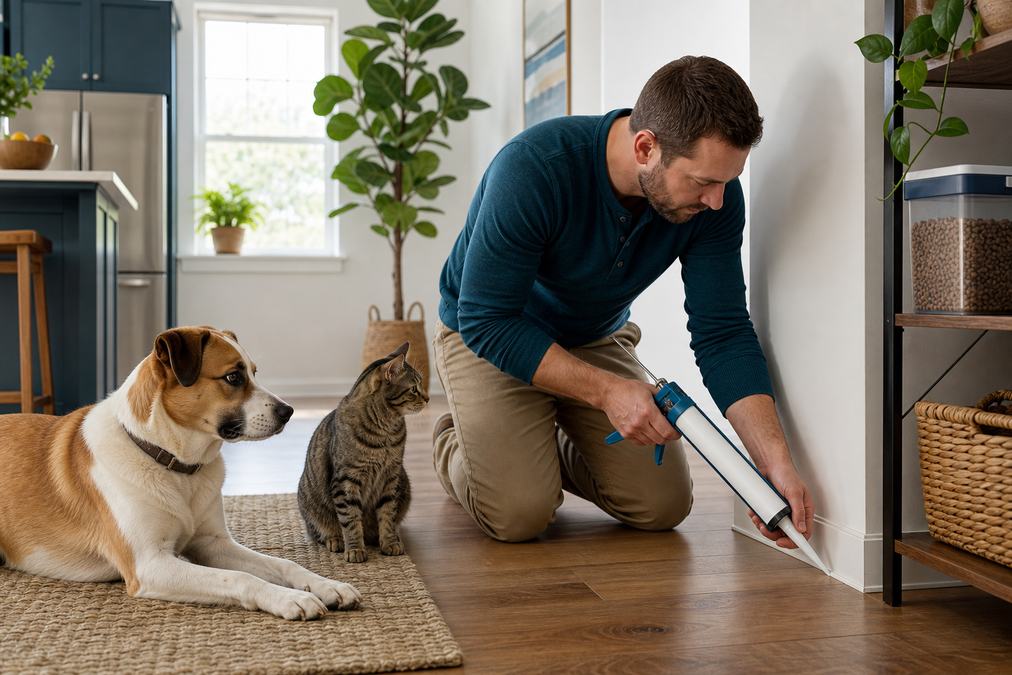
Flies are not only a nuisance but also a health hazard. Prevention is key in keeping flies away from your home. Here are some fly control tips to help keep your home fly-free:- Seal your doors and windows: Flies enter through open doors and windows. Make sure they are well-sealed to prevent entry.
- Maintain cleanliness: Keep your home clean and tidy. Dispose of garbage properly, and clean up food spills and crumbs immediately.
- Proper waste disposal: Keep your garbage bins closed and empty them frequently. Flies are attracted to rotting food and garbage.
- Plants: Certain plants, such as lavender and mint, can repel flies. Plant them around your home to help keep flies away.
- Clean up after pets: Dispose of pet waste properly, and clean litter boxes frequently. Flies are attracted to animal waste.
Homemade Fly Repellent Spray for Outdoors
Flies can be a major nuisance for outdoor activities like barbecues, picnics, and gardening. Fortunately, the homemade fly repellent spray we discussed earlier is effective indoors and can also be used outdoors. This natural solution is a great alternative to commercial products that contain harmful chemicals and can be expensive. To make a homemade outdoor fly repellent spray, start by mixing the ingredients we listed earlier, such as essential oils and apple cider vinegar, in a spray bottle. You can add a few drops of dish soap to the mixture to help it adhere to surfaces better. When using the homemade spray outside, it’s important to spray it in areas where flies tend to congregate, such as trash cans and compost piles, and around entrances to your home. You can spray it on patio furniture, umbrellas, and other outdoor surfaces to create a barrier between you and the flies. Remember to reapply the spray every few hours or after rainfall for maximum effectiveness. This homemade solution is pet and child-safe, making it a great alternative to harmful chemicals that may harm your pets.
This homemade fly repellent spray for outdoor areas can help keep outdoor activities enjoyable and fly-free. Say goodbye to pesky flies and enjoy your time outside with family and friends!
Do Not Spray Homemade Mixtures on Pets or Livestock
Do not apply essential-oil, vinegar, or dish-soap mixtures to animals. Species differ in sensitivity, and licking or grooming increases exposure. Ask a veterinarian for a product labeled for the animal species, age, weight, and intended fly problem.
Safety Precautions
- Do not apply homemade mixtures to people or animals.
- Do not spray food, dishes, counters, toys, bedding, or pet-accessible surfaces.
- Use screens, sanitation, and traps before pesticides.
- For a pesticide product, follow the label and keep children and pets out as directed.
Testing Homemade Fly Repellent Spray Effectiveness
Once you’ve made your homemade fly repellent spray, it’s essential to ensure that it is effective in keeping flies away. The following are some tips for testing the effectiveness of your spray:- Observe Fly Activity: Before using the spray, observe the fly activity in the area you want to treat. This will help you determine the severity of the fly infestation.
- Apply the spray: Apply the homemade fly repellent spray in the area where you previously observed fly activity. Be sure to follow the application instructions provided in Section 6 for maximum effectiveness.
- Monitor Fly Activity: Observe the fly activity after spraying and determine if there are any changes in their behavior. If the flies continue to linger, you may need to adjust or apply the spray mixture more frequently.
- Repeat the Process: Repeat the process until you achieve the desired results. Be patient, as the spray may take time to work effectively.
Evidence and official guidance
- Penn State Extension: Common Urban Pests — fly identification, sanitation, screens, and traps.
- U.S. EPA: Smart Pest Control — prevention and label-directed pest control.