


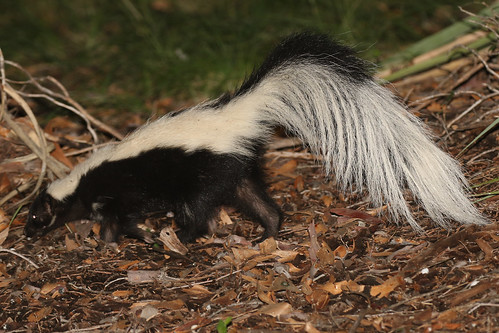
Skunks and outdoor cats can coexist uneasily — and the methods that drive skunks away can sometimes put your cats at risk too. The challenge is finding deterrents that are effective against skunks but completely safe for felines. This guide covers 11 proven methods that do exactly that, plus expert answers on what to do if your cat encounters a skunk.


Key Takeaways
- Removing food sources is the single most important first step
- Capsaicin-based repellents are effective against skunks and safe for cats
- Motion-activated lights and sprinklers work without any chemical risk to pets
- Skunks can carry rabies and leptospirosis — keep cats vaccinated and indoors at dusk
- Never use mothballs, rat poison, or ammonia where cats roam
Why Skunks Come Into Your Yard
Skunks are opportunistic foragers. They’re attracted to yards that offer food, water, and shelter. Skunks are most active at dusk and dawn and are primarily nocturnal. Common attractants include pet food left outside, unsecured garbage, birdseed, fallen fruit, grubs in your lawn, and woodpiles or crawl spaces they can den under.
The good news: eliminate the attractants and most skunks move on without any further intervention.


1. Remove All Food Sources First
This is the foundation of any skunk control strategy. Bring pet food and water bowls inside before dusk every evening. Use garbage cans with locking or bungee-secured lids. Pick up fallen fruit and birdseed daily. If you feed feral cats outdoors, switch to timed feeders that dispense food only during daylight hours. Skunks that find nothing to eat will relocate on their own within days.
2. Use Capsaicin-Based Repellents (Cat-Safe)
Capsaicin — the active compound in hot peppers — is highly effective at deterring skunks and safe for cats. You can use commercial capsaicin granules or sprays, or make your own:
DIY Capsaicin Repellent: Mix 1 chopped white onion, 1 chopped jalapeño, and 1 tablespoon cayenne pepper in 2 quarts of water. Boil for 20 minutes, cool, strain, and spray around skunk activity areas. Cats generally dislike the smell too, so avoid spraying near feeding areas.
3. Spray Chili Powder Around the Perimeter
Sprinkle chili powder around your yard’s perimeter, garden beds, and any known skunk entry points. The pungent scent irritates a skunk’s sensitive nose without harming them — or your cats. Reapply after rain. For a stronger effect, combine it with cayenne pepper or black pepper. Keep it away from areas where your cats eat or sleep.
4. Install Motion-Activated Lights
Skunks are highly sensitive to bright light and strongly prefer darkness. Motion-activated flood lights around your property will startle skunks and discourage them from settling in. This method is completely safe for cats (and humans). Position lights near garbage cans, compost bins, under decks, and along fence lines. Solar-powered options make installation easy anywhere in the yard.
5. Use a Motion-Activated Sprinkler
A motion-activated sprinkler delivers a harmless burst of water when triggered, which startles skunks and trains them to avoid the area. It’s one of the most effective non-chemical deterrents available. The main caveat: your outdoor cats will also get wet if they walk through the detection zone. Place sprinklers specifically along the yard perimeter and entry points rather than in areas cats frequent.
6. Mount Food and Attractants Up High
Skunks cannot climb. Cats can. Use this to your advantage by storing cat food on elevated platforms, shelves, or in hanging feeders that cats can reach but skunks can’t. This applies to compost bins, birdfeeders, and any other potential food source. A raised platform just 3–4 feet off the ground is completely inaccessible to skunks.
7. Block Den Access Points
Skunks love to den under decks, porches, sheds, and in crawl spaces. Block these areas with heavy gauge wire mesh or hardware cloth, burying it at least 12 inches into the ground and bending it outward. Before sealing an entry point, verify the skunk has left by loosely stuffing the opening with newspaper or straw — if it’s undisturbed for 3 nights, the den is vacant and safe to seal permanently.
8. Try Pine-Sol as a Scent Deterrent
Pine-Sol’s strong pine scent can deter skunks from frequenting specific areas. Mix with water (1:1 ratio) in a spray bottle and apply around garbage cans, fence lines, and entry points. Reapply after rain. While not specifically designed as a skunk repellent, its strong scent helps mask the food odors that attract skunks. It is not recommended near cat feeding or resting areas due to its strong smell.
9. Eliminate Lawn Grubs
One of the biggest reasons skunks dig up lawns is to eat grubs. Apply beneficial nematodes or milky spore to your lawn to naturally reduce grub populations. With less food underground, skunks have little reason to visit. This is a long-term solution that also benefits your lawn’s overall health. Beneficial nematodes are completely safe for cats, dogs, and humans.
10. Use Ammonia Strategically (Away From Cats)
Ammonia mimics predator urine and effectively repels skunks. Soak rags in household ammonia and place them near skunk dens or entry points. Important caution: ammonia fumes are harmful to cats at close range. Only use ammonia in areas your cats cannot access — sealed crawl spaces, under locked sheds, or behind barriers. Never spray ammonia in open yard areas where cats roam freely.
11. Humane Live Trapping and Relocation
If skunks persist despite deterrents, live trapping is the next step. Use bait that attracts skunks but not cats: sardines, canned tuna, or chicken gizzards work well. Place the trap along their regular path in late afternoon. Check it at first light. Once trapped, cover the trap with a large cloth before approaching — skunks in the dark are far less likely to spray. Contact your local wildlife authority for relocation guidance, as regulations vary by state.
Methods to AVOID When You Have Cats
| Method | Why It’s Dangerous for Cats |
|---|---|
| Mothballs | Highly toxic if ingested; cats may bat at and eat them |
| Rat poison / rodenticide | Fatal to cats even in small amounts |
| Predator urine (fox, coyote) | Can cause severe stress in cats; avoid in high-cat-traffic areas |
| Chocolate | Toxic to both cats and skunks — avoid entirely |
Are Skunks Dangerous to Cats?
Yes, skunks pose real health risks to cats beyond just the notorious spray:
- Rabies: Skunks are one of the primary wildlife carriers of rabies in North America. Ensure your cats are up to date on rabies vaccinations.
- Leptospirosis: Transmitted through skunk urine, this bacterial infection can cause serious illness in cats.
- Bites: A cornered skunk may bite. Any cat bite wound from a skunk encounter requires immediate veterinary attention.
- Spray: While not toxic, skunk spray causes intense eye irritation and can temporarily impair vision.
How to Remove Skunk Odor From Your Cat
If your cat gets sprayed, act quickly. Mix: 1 quart 3% hydrogen peroxide + ¼ cup baking soda + 1 teaspoon dish soap. Apply immediately to the affected area, avoiding eyes. Leave on 5 minutes, then rinse thoroughly. Do not store this mixture — it must be used fresh. If the smell persists or your cat shows eye irritation, consult your veterinarian.


How to Identify a Skunk Den on Your Property
Before treating or sealing a den, confirm one is actually present. Key signs to look for:
- Persistent odor: A lingering skunk smell near a structure — especially a deck, shed, or porch — is the clearest indicator.
- Fresh digging: Disturbed soil, torn lawn edges, or a 3–6 inch entry hole near a foundation or deck skirt.
- Regular nightly sightings: A skunk returning consistently to the same spot at dusk is almost certainly denning there.
- Paw prints: Five-toed prints with short, visible claw marks in soft soil or mud near the suspected entry point.
- Lawn damage: Cone-shaped holes in the lawn (1–3 inches wide) where a skunk has been digging for grubs — often near the den perimeter.
Once you’ve spotted these signs, use the newspaper test described in Method 7 above to confirm the skunk is still actively using the den before sealing.
Cleaning Up After Skunk Den Removal
After the den is sealed, clean and deodorize the surrounding area to eliminate health risks and remove scent signals that could attract new wildlife.
- Wear protective gear: Gloves, a mask, and old clothing before handling any material from the den area. Skunk dens can harbor fleas, ticks, and bacteria.
- Remove debris: Clear leaves, sticks, and organic matter from the former entry zone and dispose of it in sealed bags.
- Disinfect the area: Apply a 1:10 bleach-to-water solution to the soil and surrounding surfaces. This neutralizes bacteria and parasites left behind.
- Neutralize odor: Use an enzyme-based odor neutralizer (available at pet stores) or a baking soda and water solution on affected surfaces. Leave the area ventilated for several days.
- Check for secondary pests: Skunks carry fleas and ticks. If you have outdoor pets, treat the yard perimeter with an appropriate yard spray after removal.
- Legal note: Before attempting any skunk removal or relocation yourself, check your local wildlife regulations — some jurisdictions require a licensed wildlife removal operator.
Conclusion
The most effective skunk control when you have cats starts with removing attractants, blocking dens, and using capsaicin or light-based deterrents. Avoid chemical methods (mothballs, rat poison) entirely in cat-accessible areas. Consistent application of 2–3 methods together will move even persistent skunks along within 1–2 weeks — without putting your cats at risk.
Frequently Asked Questions
What skunk repellent is safe around cats?
Capsaicin-based granules or sprays, motion-activated lights, motion-activated sprinklers, and chili powder are all safe to use in yards with cats. Avoid mothballs, ammonia in open areas, and predator urine near cat-frequented spaces.
Will skunks attack cats?
Skunks are not aggressive and generally prefer to flee. However, a cornered skunk will spray and may bite. Cats that confront skunks are at risk of being sprayed or bitten. Keep cats indoors from dusk to dawn when skunks are most active.
How do I get rid of skunks at night?
Motion-activated flood lights are the most effective nighttime skunk deterrent. Remove all food sources before dusk and use chili powder or capsaicin granules around the perimeter. If skunks are denning under a structure, block access points after confirming they’ve left for the night.
Are skunks related to cats?
No. Skunks belong to the family Mephitidae, while cats belong to Felidae. Both are in the order Carnivora, but they are distantly related and have very different evolutionary histories.
Will vinegar keep skunks away?
Yes, white vinegar can deter skunks due to its strong acidic smell. Mix equal parts white vinegar and water and spray around skunk entry points, bin areas, and den entrances. The smell dissipates for humans within an hour but lingers longer for skunks. Reapply every 2–3 days and after rain. Vinegar is safe to use in areas where cats roam, making it one of the better pet-safe skunk repellent options.
What smell keeps skunks away permanently?
No single smell keeps skunks away permanently, but the most effective long-term scent deterrents are capsaicin (hot pepper), citrus peels, and castor oil — all safe around cats. Capsaicin granules or sprays need reapplication every 2 weeks. Citrus peels scattered around entry points are safe, natural, and can be renewed cheaply. The most permanent solution is always physical exclusion — blocking den access points and removing food sources, with scent deterrents as a supplementary layer.
Is skunk spray toxic to cats?
Skunk spray (N-butyl mercaptan) is not directly toxic to cats but causes severe eye and nose irritation, temporary vision impairment, and intense stress. More concerning are the diseases skunks can carry — rabies and leptospirosis — which can be transmitted to cats through bites or contact with skunk urine. Any cat that has been sprayed or bitten by a skunk should be checked by a vet, and rabies vaccination status should be confirmed up to date.