


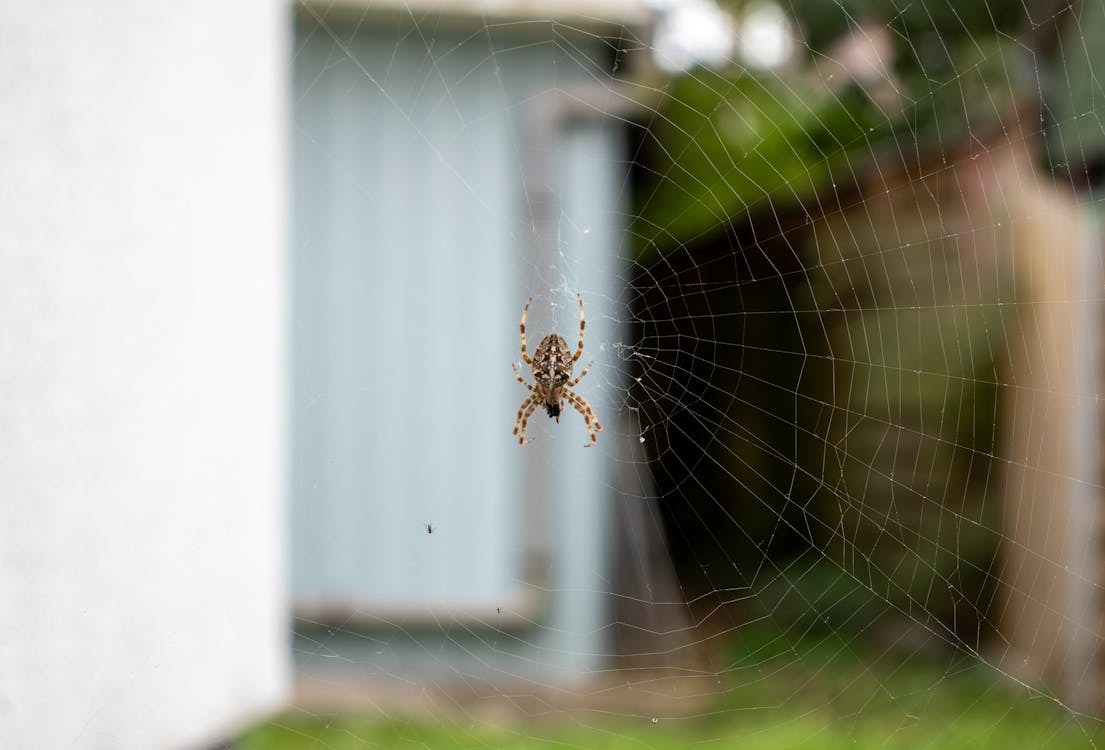
Most house spiders are harmless and actually beneficial — they prey on flies, mosquitoes, and other insects. The goal for most households is reducing populations and preventing entry, not total elimination. If you have dangerous species (black widow, brown recluse) or a severe infestation, more aggressive action is warranted.
Key Takeaways
- Most house spiders are harmless and reduce other pest populations — targeted removal is often better than total elimination
- Peppermint oil spray is the most widely used natural spider repellent — reapply weekly along baseboards and windowsills
- Reducing clutter and other insect populations removes the conditions that attract spiders
- Sealing cracks, gaps, and window screens prevents entry far more effectively than any repellent
- Black widows and brown recluses require professional treatment — do not attempt DIY removal
Quick Answer
Mix 15–20 drops of peppermint essential oil in 1 cup of water with a few drops of dish soap. Spray along baseboards, windowsills, doorways, and corners weekly. Remove existing webs with a vacuum. Seal gaps around windows and doors. Reduce clutter in basements and storage areas. This combination significantly reduces spider populations within 2–4 weeks.
Identify Your Spider First
Most spiders found in UK and North American homes are completely harmless. Two species warrant serious caution:
- Black widow: Shiny black, round abdomen with red hourglass marking underneath. Found in dark, undisturbed areas — garages, woodpiles, under furniture. Venom is medically significant. If found, call a pest control professional.
- Brown recluse: Brown, violin-shaped marking on the cephalothorax. Found in the southern and central US. Bite can cause tissue damage. Call a professional.
All other common house spiders — common house spider, cellar spider (daddy-long-legs), wolf spider, jumping spider — are harmless to humans and actively beneficial.
Why You Have Spiders
Spiders enter homes to hunt other insects and to seek warmth. If you have a spider problem, you almost certainly have a more fundamental insect problem that’s supporting them. Address the prey and the predator follows.
Common attractants: other insects (flies, moths, gnats), outdoor lighting that draws flying insects to entry points, clutter that provides undisturbed hiding spots, gaps and cracks in foundations and window frames, and wood piles stored near the house.
9 Natural Methods to Get Rid of Spiders
Method 1: Peppermint Oil Spray
Spiders are highly sensitive to strong essential oil scents, which interfere with their chemical sensory receptors. Peppermint is the most effective.
Recipe: Mix 15–20 drops of pure peppermint essential oil in 1 cup of water with 5 drops of dish soap (helps it stick to surfaces). Shake and spray along baseboards, windowsills, door frames, and in corners where webs appear.
Reapply every 7 days. Effective for 5–7 days before the scent fades. Also repels ants and other insects.
⚠ Cat safety: Peppermint oil is toxic to cats if ingested or absorbed through grooming. Avoid spraying in areas cats walk on or groom from. Eucalyptus and tea tree oils are similarly toxic to cats — use only in cat-free areas.
Method 2: Remove Webs Regularly
Removing webs with a vacuum (not a brush — vacuuming kills spiders and egg sacs) deprives spiders of their hunting site and discourages re-establishment. Vacuum all corners, ceiling angles, window frames, and behind furniture weekly. Empty the vacuum canister immediately into a sealed bag outside.
Method 3: Diatomaceous Earth
Food-grade diatomaceous earth (DE) applied along baseboards and in the corners spiders travel through dehydrates them on contact by abrading their exoskeleton. Apply a thin, barely visible layer — thick piles are less effective as spiders walk around them. Safe for pets and children when used as a thin surface layer.
Method 4: Vinegar Spray
White vinegar contains acetic acid, which burns a spider on contact. Mix equal parts white vinegar and water in a spray bottle. Spray directly on spiders you see and in areas of activity. Do not use on natural stone surfaces — the acidity causes etching.
Method 5: Seal Entry Points
Spiders are flat and can squeeze through gaps around window frames, door frames, and utility pipes. Caulk all visible gaps around windows, doors, and pipe entry points. Repair or replace damaged window screens. Install door sweeps. This is the most impactful long-term prevention measure.
Method 6: Cedar
Spiders dislike the aromatic oils in cedar wood. Place cedar blocks, cedar balls, or cedar mulch in wardrobes, under furniture, and in storage areas. Cedar mulch around the foundation of the house also deters spiders from entering at ground level. Replace or sand cedar blocks annually as the scent fades.
Method 7: Reduce Outdoor Lighting
Standard outdoor lights attract flying insects — which attract spiders to build webs near entry points. Switch outdoor lighting to yellow or sodium bulbs which attract fewer insects, or use motion-activated lights instead of all-night lighting. Spiders at entry points are fed by the insects your lights attract.
Method 8: Declutter and Remove Habitat
Spiders thrive in undisturbed, cluttered spaces — boxes on the floor, dense shelving, behind large appliances. Regular decluttering and cleaning of basements, attics, garages, and storage areas removes the safe habitat spiders need to establish. Move firewood away from the house. Remove dense ground cover against the foundation.
Method 9: Control Other Insects
Spiders follow food. If you have spiders, you have enough other insects to support them. Address the underlying insect issues — flies, gnats, moths, and ants — and spider populations will naturally decline without direct intervention. Fix drain issues (fruit flies), seal food sources (ants), and repair window screens (flying insects).
Prevention Tips
- Spray peppermint oil solution around all entry points monthly as a preventive barrier
- Keep a thin layer of diatomaceous earth along basement and garage baseboards permanently
- Inspect boxes and furniture brought in from outside — spiders hitchhike on stored items
- Use yellow outdoor bulbs to reduce insect attraction near doors and windows
- Vacuum weekly in corners, ceiling edges, and behind furniture
Frequently Asked Questions
What smell do spiders hate most?
Peppermint oil is the most consistently effective spider repellent scent. Cinnamon, tea tree, lavender, and citrus also deter spiders. The key is freshness — these scents must be reapplied weekly as they fade quickly.
Does vinegar kill spiders?
White vinegar (acetic acid) kills spiders on direct contact. It does not repel spiders from an area — it only kills those it touches directly. Use as a contact kill spray rather than a preventive treatment.
Why do I suddenly have lots of spiders in my house?
Spider activity peaks in autumn (September–October) as males search for mates and seek warmth before winter. This is the most common reason for sudden increases indoors. It’s seasonal and typically resolves within a few weeks. Address entry points to reduce future seasons.
Are house spiders dangerous?
The vast majority of house spiders found in North America and the UK are harmless. The two medically significant species are the black widow (shiny black with red hourglass marking) and the brown recluse (brown with violin marking, found mainly in the southern/central US). All others, including wolf spiders, house spiders, and cellar spiders, are harmless.
Should I kill spiders in my house?
Most spiders are beneficial — they catch flies, mosquitoes, gnats, and other insects. Unless you have a severe infestation or a dangerous species, the most effective approach is reducing their numbers and preventing entry rather than eliminating them entirely. A few spiders in a house is a natural and healthy situation.