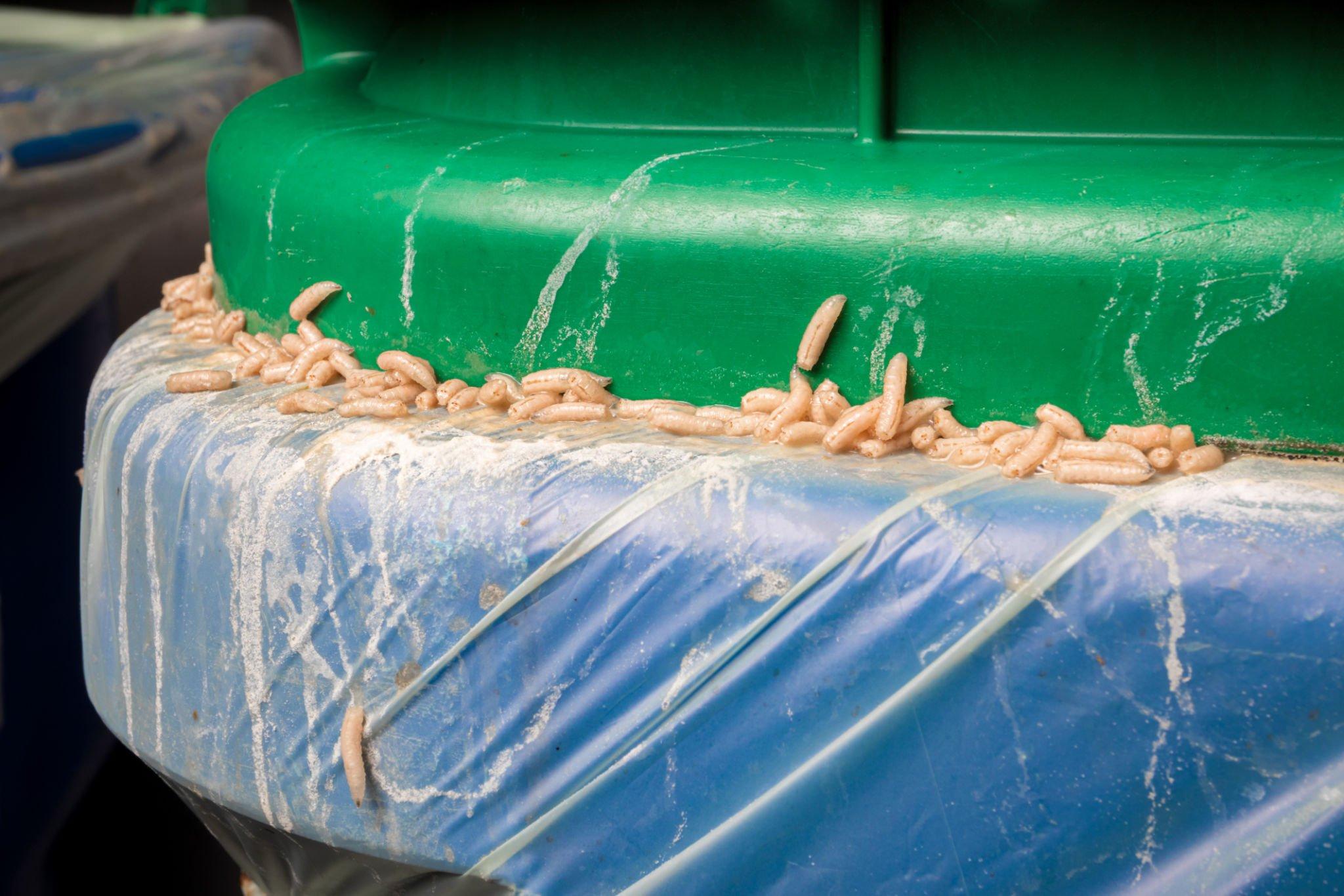
Picture this: it’s a hot day and you finally muster up the courage to take out the trash, only to find an unsettling sight – maggots squirming around at the bottom of your trash can. The last thing you want is for them to continue multiplying and taking over your space, but how do you get rid of them? Don’t panic just yet – we’ve got some effective methods to help you eliminate maggots from your trash can and keep them from coming back. Read on to learn more.
To avoid maggots in the first place, make sure to use good-quality plastic trash bags and maintain a clean trash can. Place all trash in bags, especially food waste, to prevent the attraction of flies. Additionally, make sure that the lid of your trash can seals properly and replace cans that have holes in them. Taking these preventive measures can help keep your home maggot-free.
Carburetor cleaner as a potent maggot-killer
Carburetor cleaner is a potent and easy-to-use chemical that has been gaining popularity as a maggot killer. It is readily available in most hardware and automotive stores and can be used to effectively get rid of maggots from trash cans.
To use carburetor cleaner as a maggot-killer, start by removing all the trash from the can, being careful to avoid spilling any maggots or debris. Then, spray the cleaner generously into the trash can, ensuring that all surfaces are thoroughly coated. The cleaner will work quickly to kill any maggots inside the can.
Once the cleaner has been applied, leave the can for about 30 minutes to allow the cleaner to work its magic. The maggots will die off and can be easily removed by pouring out the contents of the can.
Afterward, it is essential to wash and disinfect the can thoroughly. Use hot soapy water and a scrub brush to clean all surfaces of the can, making sure to get into all the nooks and crannies to remove any residue. Rinse the can with water and let it dry completely before using it again.
It is worth noting that carburetor cleaner is a potent chemical and should only be used in a well-ventilated area. Gloves and eyewear should also be worn to avoid skin and eye irritation. Additionally, it is advisable to keep children and pets away from the area while the cleaner is being applied.
In conclusion, carburetor cleaner is a potent and easy-to-use chemical that can effectively get rid of maggots from trash cans. However, appropriate caution should be taken to ensure safe use, and the can should be thoroughly cleaned afterward to prevent future infestations.
Household cleaners can also work as an insecticide
Opening a trash can and finding maggots is a nightmare for anyone. Fortunately, there are ways to get rid of them! Before dealing with an infestation, it’s important to understand what causes maggots in the first place.
Flies lay their eggs on rotten food and old garbage, which makes trash cans brimming with food waste or ones that have not been cleaned in a long time a perfect breeding ground for maggots.
To get rid of maggots, the first step is to remove everything from inside the trash can. Take the trash can liner out, put it inside another plastic bag, seal it tightly, and take it outside for collection. Next, focus on getting rid of any maggots left inside the trash can itself.
In addition to getting rid of the current infestation, it’s important to take steps to prevent future infestations. Keeping the trash can clean and dry, regularly removing food waste, and using a trash insecticide product like Garbage Guard can help prevent future infestations.
By taking these steps, it’s possible to get rid of maggots in a trash can and prevent them from returning again in the future.
Another natural method to try is cinnamon powder. Cinnamon is a natural repellent for insects, including maggots. Sprinkle it liberally over the infested area and wait for a few hours. The cinnamon powder’s scent will repel the maggots, and they will eventually leave. Remove the dead maggots using a vacuum or a broom.
Once you have the solution, put on some protective gloves and pour them into the trash can. Make sure to use a mop to scrub the inside of the trash can, including the lid and all areas, before letting the solution sit for up to 30 minutes so it can work well to remove bacteria. After that, rinse the trash can and turn it upside down or leave it out in the sun to dry completely.
Another tip to prevent maggots in your trash can is to limit the time meat scraps are left in the garbage. Female flies are attracted to the rotting meat scraps in the garbage can and will enter. Try to dump your meat scraps the night or day before waste disposal collection.
In addition to these tips, make sure to purchase high-quality garbage bags that won’t tear or break easily. Always tie up the bag securely to prevent any flies from entering, especially in the summer and spring months when flies are more active.
By following these simple steps, you can keep your trash can clean and free of maggots. So, put on those gloves and start disinfecting!
Salt and lime as a natural remedy to dry maggots
Maggots infesting your trash can be a bothersome and repulsive experience. Fortunately, there are many easy and effective ways to deal with the problem. Removing the source of the infestation, i.e., the trash, is the first step to getting rid of maggots. After that, one can quickly and easily get rid of maggots with natural remedies like salt and lime.
Salt and lime are widely available and are easy to use. Lemon juice and salt can also be used instead of lime juice. To start, take a sprinkle of salt and some lime juice or lemon juice mixture, mix it well in a bowl, dip a sponge or cloth in it, and wipe along the affected area.
The mixture will quickly dissolve and dry out the maggots, making it easy to remove them using a vacuum cleaner or a broom.
An alternative approach is to mix a cup of salt and a gallon of water in a bucket. Stir the mixture until the salt is dissolved, add in a cup of lime juice or lemon juice, and stir again.
Pour the mixture into the infested trash can and leave it for a few hours, ideally overnight. Come morning, any remaining maggots will be dead and dried out.
It is important to remember that maggots thrive in moist and warm environments so, to prevent future infestations, keep the trash can clean and dry. Disposing of your garbage outside, wrapping the trash in plastic bags, and cleaning the cans regularly is an effective ways of discouraging the arrival of flies and their larvae.
Salt and lime or lemon juice can save you some trouble and ensure your trash can remains free of maggots. Make a solution today and try it yourself for a fast, easy, and natural way to get rid of maggots!
Scoop the smaller hordes of maggots into a resealable bag and freeze
Maggots in your trash can be one of the most disgusting problems you encounter, but don’t worry – it’s a problem that can be solved easily. First, it’s important to understand where maggots come from and why they infest your trash can.
Flies lay eggs in decaying organic matter, including trash cans, and those eggs develop into larvae, better known as maggots. Maggots feed on protein, usually meat, and they become a big problem when they are not properly disposed of.
The first step in handling a maggot infestation is to remove all the trash from the can. You could wait until the next scheduled trash collection day or remove all the trash bags and deliver them to the dump yourself.
Be sure to remove any loose items or debris from the inside of the trash can that may not be contained inside of a trash bag.
For smaller infestations, scoop the maggots into a resealable bag and freeze them. This is a peaceful way to end the issue, and it will make disposal easier.
After killing the maggots, it’s time to clean and disinfect the inside of the trash can. Use a brush or sponge mop and hot soapy water to scrub, making sure to get into every nook and cranny to remove any residue.
Once cleaned, pour out any soapy water and rinse the trash can using your garden hose. Thoroughly dry the trash can using towels or allow it to air dry completely before putting any bags back in.
To prevent maggots from coming back, it’s important to maintain a clean and well-maintained trash can. Ensure all trash is properly bagged and disposed of, and regularly clean and disinfect the inside of the trash can.
Additionally, consider investing in Garbage Guard™, which offers up to 4 months of protection against insects, including maggots. Simply adhere the pod to the inside of your trash can lid, and it will release an odorless vapor that kills all visible and hiding insects inside your garbage bin.
With these tips, you can easily manage a maggot infestation in your trash can. Remember to stay vigilant and maintain a clean trash can to prevent future infestations.
Avoid attracting flies by using plastic trash bags
Managing a maggot infestation in your trash can is an unpleasant but necessary task. Flies are attracted to warm and humid environments where there is food, and trash cans provide exactly that. To avoid this problem, it is essential to take some preventive measures, such as using plastic trash bags.
By using plastic bags, you will avoid spillage and leakage that can attract flies. Moreover, plastic bags are easier to tie up and remove from the trash can, reducing the chances of small pieces or debris being left behind.
Prevent maggots from infesting your trash can again by using a controlled-release product like Garbage Guard™. It can provide up to four months of protection against a wide variety of crawling and flying insects, including maggots, mosquitoes, and cockroaches. By adhering it to the inside of your trash can lid, you can enjoy an insect-free summer.
In conclusion, plastic trash bags are a great way to prevent maggots infestation in your trash can. By avoiding spilling and leakage, using plastic bags will reduce the appealing environment that attracts insects. Additionally, cleaning and disinfecting your trash can and using a controlled-release product will help you keep maggots at bay.
Clean and disinfect the trash can after removing the infestation
Rinse out the can and allow it to dry completely. Additionally, consider using trash bags in your can to prevent food waste from attracting flies and laying eggs. Regularly cleaning and maintaining your trash can also help prevent future infestations. By following these steps, you can remove maggots from your trash can and keep them from coming back.
Use Garbage Guard™ for long-term prevention of maggot infestations.
Maggot infestations in trash cans can be a nightmare to deal with, but there are effective ways to get rid of them. One long-term solution to prevent maggots from infesting your trash can is to use Garbage Guard™. Unlike other methods that only offer temporary relief, Garbage Guard™ is designed for controlled release and offers up to 4 months of protection.
To use Garbage Guard™, adhere the compact pod to the inside of your trash can lid. Once in place, the pod releases an odorless, deep-penetrating vapor that kills all visible and hiding insects inside your garbage bin. Garbage Guard™ not only works on maggots, but it also kills a wide variety of flying and crawling insects, including flies, gnats, mosquitoes, cockroaches, and more.
In addition to killing existing insect infestations, Garbage Guard™ also prevents new ones for as long as it’s in place. This makes it an ideal solution for those who constantly battle insects in their outdoor trash cans or dumpsters.
Using Garbage Guard™ is simple and easy, and you only need to replace the pod every 4 months. This means you can enjoy an entire summer free of maggots and other pesky insects. With Garbage Guard™, you can finally say goodbye to disgusting maggot infestations in your trash can and enjoy a clean, insect-free environment.
Evidence and official guidance
Editorial note: Identify and monitor the pest, correct its food, water, shelter, or entry conditions, and use only treatments labeled for the pest and site.
Editorial safety note: Identify the pest and correct food, moisture, shelter, or entry conditions first. Avoid improvised pesticide mixtures. If a pesticide is needed, use only a product labeled for the pest and site and follow the label.
- U.S. EPA: Smart Pest Control — identification, prevention, monitoring, and lower-risk control guidance.
Conclusion
Maggots in your trash can? You’re not alone. Maggots are a common problem, especially during the hot summer months when high temperatures and humidity create the perfect conditions for them to thrive. Rotting food or waste material produces methane gas, which attracts flies that lay their eggs on the waste, providing an instant source of food for the larvae. Fortunately, there are many proven measures for eliminating maggots in your trash can.
Preventing maggots from returning is extremely important. Use jumbo-sized plastic liners in your roll-away trash can keep it spotless and maggot-free. Additionally, wrap a super-sized elastic band around the liner to secure it and prevent leaks that could attract more maggots. Keeping your trash can clean and dry is essential to avoiding future maggot infestations.
Let it air out completely after cleaning, as garbage cans can trap heat and humidity, which encourages the breeding of maggots and mold. By taking preventative measures and cleaning your can regularly, you can avoid the headache of dealing with maggots in your trash can.
Frequently Asked Questions
Q: What causes maggots to infest trash cans?
A: Maggots are attracted to garbage cans because they provide a warm and humid environment with plenty of rotting organic matter for food. When the weather gets warm, this odor becomes more enticing, and flies lay their eggs, which hatch into maggots and cause a full-blown infestation.
Q: How can someone get rid of maggots in their trash can?
Q: What is the best way to prevent maggots in a trash can?
A: The best way to prevent maggots in a trash can is to keep the can clean and dry. Use a trash can with a tight-fitting lid, avoid overloading the can, and use biocides carefully as directed on the label. Consider purchasing a hands-free trash can with a step-on mechanism or motion sensor as these are more hygienic and prevent bacteria from your hands from getting onto the lid and attracting flies.
Q: How often should a trash can be cleaned to prevent maggots?
A: To prevent maggots, trash cans should be cleaned regularly, ideally once a week. It is important to empty the trash more frequently when the weather is hot and humid and to follow good hygiene practices when disposing of food waste and diapers by double-wrapping them before binning them.
Q: Are there any more effective ways to prevent maggots in a trash can?