
March 25, 2026
Repel Crane Flies

Crane Flies

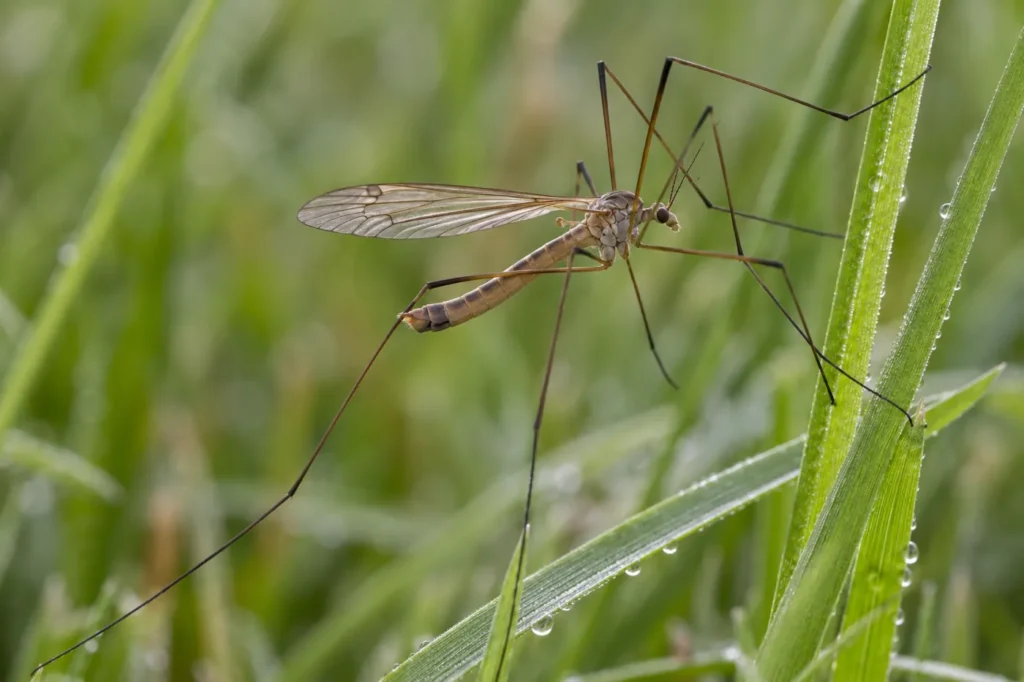
Crane flies, also known as mosquito hawks or daddy longlegs, are insects that can often be a nuisance in homes and gardens. They resemble large mosquitoes but do not bite or sting. However, their presence can still be bothersome, especially when they become too numerous. If you’re looking for ways to repel crane flies and keep them away from your surroundings, keep reading for some effective methods.

What are Crane Flies and why they can be a nuisance

Crane flies: Crane flies belong to the family Tipulidae and are often mistaken for mosquitoes due to their long and slender appearance. While they are harmless insects, their presence can still be a nuisance. Adult crane flies are attracted to light sources and often find their way into homes. Their sheer numbers can be overwhelming, making them an annoyance for many homeowners.

Understanding Crane Fly Life Cycle

To effectively repel crane flies, it’s important to understand their life cycle. Crane flies undergo a complete metamorphosis, starting with eggs laid in moist soil or grassy areas. These eggs hatch into larvae, commonly known as leatherjackets, that feed on grass roots and organic matter. After a period of growth and development, the larvae pupate and eventually emerge as adult crane flies.

Here are some methods you can use to repel crane flies:

  1. Eliminate standing water: Crane flies are attracted to damp environments, so it’s important to remove any standing water sources in and around your home. Check for clogged gutters, birdbaths, or areas with poor drainage and address them accordingly.
  2. Keep your surroundings well-maintained: Regularly mow your lawn and keep it well-trimmed to minimize suitable habitats for crane flies. Remove any decaying organic matter or debris in your yard that can attract them.
  3. Install screens: Use window screens and door sweeps to prevent crane flies from entering your home. Make sure all openings are properly sealed to keep them out.
  4. Use insect repellents: Apply insect repellents containing ingredients like DEET or picaridin to deter crane flies from landing on your skin or clothes.

By implementing these methods, you can effectively repel crane flies and minimize their presence in your home and surrounding areas. Remember, prevention is key when it comes to managing crane fly populations.

In conclusion, crane flies can be a nuisance, but with the right techniques, you can repel them effectively. Understanding their life cycle and implementing preventive measures such as eliminating standing water, maintaining your surroundings, using screens, and applying insect repellents can go a long way in keeping crane flies at bay.

how to Repel Crane Flies

Natural Repellents for Crane Flies

Crane flies, also known as mosquito hawks or daddy longlegs, are common insects that can be a nuisance in your home or garden. While crane flies are harmless, their presence can be bothersome. If you’re looking for ways to repel crane flies without using harmful chemicals, here are some natural repellents that you can try.

Essential Oils that Repel Crane Flies

Essential oils: are a great natural option for repelling crane flies. Their strong scents can deter these insects from entering your space. Some essential oils that are known to repel crane flies include:

  • Lavender oil: Crane flies are repelled by the scent of lavender, making it an effective natural repellent. You can apply a few drops of lavender oil to cotton balls and place them in areas where crane flies are commonly found.
  • Peppermint oil: Peppermint oil is another effective essential oil that can repel crane flies. Mix a few drops of peppermint oil with water in a spray bottle and apply it to windowsills, doorways, and other entry points to keep crane flies away.
  • Lemongrass oil: Lemongrass oil has a strong citrus scent that repels crane flies. Dilute a few drops of lemongrass oil in water and use it as a spray to repel these insects from your home or garden.

Herbs and Plants that Repel Crane Flies

In addition to essential oils, certain herbs and plants can also help repel crane flies. These natural repellents can be planted in your garden or placed in pots near windows and doorways to keep crane flies away. Some herbs and plants that repel crane flies include:

  • Rosemary: Rosemary has a strong fragrance that is disliked by crane flies. Plant rosemary in your garden or place potted rosemary near entry points to repel these insects.
  • Lavender: Apart from its essential oil, planting lavender in your garden can also help repel crane flies. The scent of lavender acts as a natural deterrent to these insects.
  • Mint: Mint is another herb with a powerful scent that repels crane flies. Planting mint in your garden or using it as a potted plant can help keep crane flies away.

Using natural repellents like essential oils, herbs, and plants can be an effective and environmentally-friendly way to repel crane flies. However, it’s important to note that these methods may not completely eliminate crane flies from your space. 

It’s always a good idea to combine natural repellents with proper sanitation practices and removing any potential breeding grounds for these insects.

Chemical Repellents for Crane Flies

In the battle against crane flies, chemical repellents can be an effective tool to keep these pesky insects at bay. Crane flies, also known as mosquito hawks, are often mistaken for giant mosquitoes but are harmless to humans. 

However, their larvae can cause damage to lawns and gardens. If you’re dealing with a crane fly infestation, here are some chemical repellents to consider:

Insecticides Effective against Crane Flies

Deltamethrin: Deltamethrin is a popular insecticide that has been proven to be effective in repelling and killing crane flies. It works by targeting the nervous system of the insects, causing paralysis and ultimately death. 

Deltamethrin is available in various forms, including sprays, granules, and concentrated solutions. It is important to follow the instructions carefully when using this insecticide to ensure its effectiveness and safety.

Bifenthrin: Bifenthrin is another potent insecticide that is commonly used to control crane flies. It works by disrupting the insects’ nervous system, leading to paralysis and death. Bifenthrin is available in liquid and granule formulations, and it can be applied to lawns and outdoor spaces. 

It is important to read and follow the manufacturer’s instructions when using bifenthrin to ensure proper application and safety.

Choosing the Right Insecticide for Crane Fly Control

When selecting an insecticide for crane fly control, it is important to consider a few factors. Here are some key considerations:

  • Efficacy: Look for an insecticide that has proven effectiveness against crane flies. Read reviews and check for recommendations from experts or trusted sources.
  • Safety: Ensure that the insecticide is safe for use around pets, children, and plants. Follow the instructions for application and take necessary precautions to minimize exposure.
  • Application method: Consider the ease of application. Some insecticides may require dilution or mixing, while others come ready to use.
  • Duration of effectiveness: Some insecticides provide long-lasting protection, while others may require more frequent application. Choose an insecticide that fits your needs and the severity of the infestation.

Remember, chemical repellents should be used as part of an integrated pest management approach, which may include other methods such as proper lawn maintenance and removing excess moisture. Consult with a professional if you are unsure about the best course of action for your specific situation.

By carefully selecting and using chemical repellents, you can effectively repel crane flies and protect your lawn and garden from their damaging larvae. Always prioritize safety and follow the instructions provided by the manufacturer to achieve optimal results.

Physical Methods for Crane Fly Repellent

When it comes to repelling crane flies, there are several physical methods that can help keep these pesky insects away from your home and garden. These methods involve creating barriers and making the environment less attractive to crane flies. Here are two effective physical methods for crane fly repellent:

Using Protective Barriers to Prevent Crane Fly Infestations

One effective way to repel crane flies is by using protective barriers to prevent infestations. This method involves creating a physical barrier that prevents adult crane flies from laying their eggs in your lawn or garden. Here are some common protective barriers you can use:

1. Netting: Covering your plants, particularly those that are attractive to crane flies, with fine mesh netting can prevent adult flies from reaching them and laying their eggs.

2. Mulch: Applying a layer of mulch around your plants can deter crane flies. Opt for mulches that are less attractive to them, such as gravel or wood chips.

3. Floating Row Covers: These lightweight covers can be placed over plants to protect them from adult crane flies. They allow sunlight and water to reach the plants while keeping the flies away.

Creating a Hostile Environment for Crane Flies

Another approach to repel crane flies is by creating a hostile environment that discourages them from inhabiting your property. By making your outdoor space less favorable to crane flies, you can decrease their presence. Here are some ways to create a hostile environment for crane flies:

1. Proper Lawn Maintenance: Regularly mowing your lawn and keeping it well-drained can make it less appealing to crane flies. They prefer damp, overgrown areas for egg-laying.

2. Eliminating Standing Water: Crane flies are attracted to moist areas. It’s important to eliminate any sources of standing water in your yard, such as puddles or poorly draining areas.

3. Removing Damp Debris: Crane flies are also drawn to damp organic matter. Remove any decaying leaves or debris from your garden to discourage their presence.

Using these physical methods for crane fly repellent can help you keep these insects at bay and protect your home and garden. Remember to choose the method that best suits your needs and combine it with other preventive measures for maximum effectiveness.

Lawn Maintenance to Repel Crane Flies

When it comes to crane fly infestations, prevention is key. By implementing proper lawn maintenance practices, you can effectively repel these pesky insects and keep your lawn healthy. Here are some tips to help you deter crane flies from invading your outdoor space.

Proper Lawn Care Practices to Deter Crane Flies

  1. Mow your lawn regularly: Keep your grass at an optimal height of around 2-3 inches. Crane flies prefer laying their eggs in tall grass, so keeping it well-maintained will discourage them from choosing your lawn as a breeding ground.
  2. Aerate your soil: Crane flies thrive in moist soil conditions. By aerating your lawn, you improve drainage and reduce the amount of standing water, making it less attractive to these insects.
  3. Remove thatch: Thatch is a layer of dead grass and debris that accumulates on the surface of your lawn. It provides a suitable environment for crane flies to lay their eggs. Regularly dethatching your lawn can disrupt their breeding cycle.
  4. Water your lawn properly: Overwatering can create excessively moist conditions, which crane flies love. Water your lawn deeply but infrequently to promote healthy root growth and discourage crane fly infestations.
  5. Fertilize appropriately: Avoid using excess nitrogen-based fertilizers as they promote rapid grass growth. This can attract crane flies, particularly during the larvae stage. Opt for slow-release fertilizers that provide a balanced nutrient supply to keep your lawn healthy without encouraging crane flies.

Tips for Effective Lawn Maintenance to Minimize Crane Fly Infestations

  • Keep your yard clean and free of debris, as it can provide hiding spots and breeding grounds for crane flies.
  • Avoid over-fertilizing your lawn, as it can attract these insects.
  • Consider using natural predators like birds, nematodes, or insect-eating bacteria to control crane fly populations.
  • Regularly inspect your lawn for signs of crane fly activity, such as damage to grass blades or larvae in the soil.
  • If you identify a crane fly infestation, consider using targeted insecticides specifically designed to eliminate these pests. Always follow the instructions carefully and use pesticides responsibly.

By following these lawn maintenance practices, you can create an environment that is less inviting to crane flies. Remember, prevention is the key to repelling these insects and maintaining a lush and healthy lawn.

Prevention Techniques for Crane Flies

Crane flies, also known as mosquito hawks or daddy longlegs, are flying insects that can be a nuisance in the summer months. These harmless insects are attracted to light and moist environments, which makes them common around homes and gardens. 

If you’re looking for ways to repel crane flies and keep them away from your property, here are a few prevention techniques to consider:

Keeping Lights Off at Night to Prevent Crane Fly Attraction

One effective way to repel crane flies is to keep outdoor lights off at night. Crane flies are often attracted to bright lights, so by keeping your porch lights or outdoor lighting fixtures turned off, you can help minimize their presence around your home. 

Instead, consider using yellow or amber-colored bulbs, as they are less attractive to crane flies and other flying insects.

Reducing Moisture and Standing Water to Discourage Crane Flies

Crane flies are also drawn to moist environments, so reducing moisture and standing water around your property can help deter them. Here are a few steps you can take:

  • Clear gutters and downspouts: Make sure your gutters and downspouts are clear of debris and functioning properly to prevent water from accumulating.
  • Fix leaks: Repair any leaks or drips around your home, as they can create moist areas that attract crane flies.
  • Remove standing water: Eliminate any sources of standing water, such as buckets, pet bowls, or plant saucers. Empty these regularly to prevent crane flies from laying their eggs.
  • Improve drainage: Ensure that your yard has proper drainage to avoid water pooling in certain areas. Consider grading your yard or installing French drains if necessary.

By following these prevention techniques, you can reduce the likelihood of crane flies infesting your property. Remember, it’s important to address both the attraction factors, such as lights, and the conducive conditions, such as moisture, to effectively repel crane flies.

Interested in learning more about crane flies and their habits? Check out this Wikipedia link for detailed information.

Remember, prevention is key when it comes to repelling crane flies. By implementing these techniques, you can enjoy a mosquito-free summer and keep your home and garden free from these pesky insects.

Professional Crane Fly Control Services

In the battle against crane flies, sometimes you need the help of professionals to effectively repel and eliminate these pesky insects from your home or property. Professional crane fly control services offer expertise, experience, and specialized treatments to tackle crane fly infestations. 

Here’s why and when you should consider seeking professional help for crane fly infestations.

When to Seek Professional Help for Crane Fly Infestations

While there are several DIY methods and products available for crane fly control, some infestations may be too severe or widespread for homeowners to handle on their own. Here are some signs that indicate it may be time to call in the professionals:

  1. Large Numbers: If you notice a significant number of crane flies in and around your property, it’s a clear indication of a potential infestation.
  2. Damage to Plants: Crane fly larvae (also known as “leatherjackets”) feed on the roots of plants, causing them to wither, turn yellow, or die. If you observe widespread damage to your lawn or garden, professional assistance may be necessary.
  3. Ineffective DIY Methods: If you’ve tried DIY crane fly control methods but haven’t seen satisfactory results, it may be time to consult with professional pest control experts who have access to more potent treatments and techniques.
  4. Repeated Infestations: If crane flies keep reappearing in your home or on your property, it could indicate a more significant underlying issue that requires professional intervention.

Choosing a Reliable Pest Control Company

When it comes to selecting a pest control company for crane fly control, it’s crucial to choose a reliable and reputable service provider. Here are some factors to consider when making your decision:

  1. Experience and Expertise: Look for a pest control company that has extensive experience in dealing with crane fly infestations. They should have trained technicians who understand the behavior and biology of crane flies and can provide effective solutions.
  2. Integrated Pest Management (IPM) Approach: Choose a company that utilizes an Integrated Pest Management approach, which involves a combination of preventive measures, physical control methods, and judicious use of pesticides. This approach ensures long-term results while minimizing environmental impact.
  3. Licensing and Certifications: Ensure that the pest control company you choose is properly licensed and certified by relevant authorities. These certifications indicate that they adhere to industry standards and regulations.
  4. Customer Reviews and References: Read customer reviews and ask for references to get an idea of the company’s reputation and the quality of their services. A reputable pest control company will be transparent and willing to provide this information.

Remember, professional crane fly control services can save you time, effort, and frustration in dealing with stubborn infestations. 

By choosing a reliable pest control company, you can ensure effective and long-lasting results in repelling crane flies and keeping your home or property free from these bothersome insects.

Conclusion

In conclusion, repelling crane flies can be achieved through a combination of preventive measures and targeted treatments. By understanding the habits and preferences of crane flies, homeowners can effectively keep these pests at bay and protect their lawns from damage. 

Remember to follow these key takeaways to repel crane flies effectively:

  • Keep the lawn well-maintained and mowed regularly to eliminate potential breeding grounds and hiding spots.
  • Reduce excess moisture in the lawn by improving drainage and avoiding overwatering.
  • Use natural repellents such as citronella oil or garlic spray to deter crane flies from laying eggs in the lawn.
  • Consider using chemical treatments, such as insecticides or nematodes, as a last resort for severe infestations.

Implementing a comprehensive approach for long-term crane fly control is essential. This includes a combination of cultural practices, natural repellents, and chemical treatments when necessary. By implementing these measures, homeowners can effectively repel crane flies and maintain a healthy, lush lawn.

Remember to always consult with a professional pest control expert or refer to reliable sources such as Wikipedia for more information on crane flies and effective control methods. With the right knowledge and preventive measures, you can keep your home and lawn crane fly-free.

Leave a Reply

Your email address will not be published. Required fields are marked *