
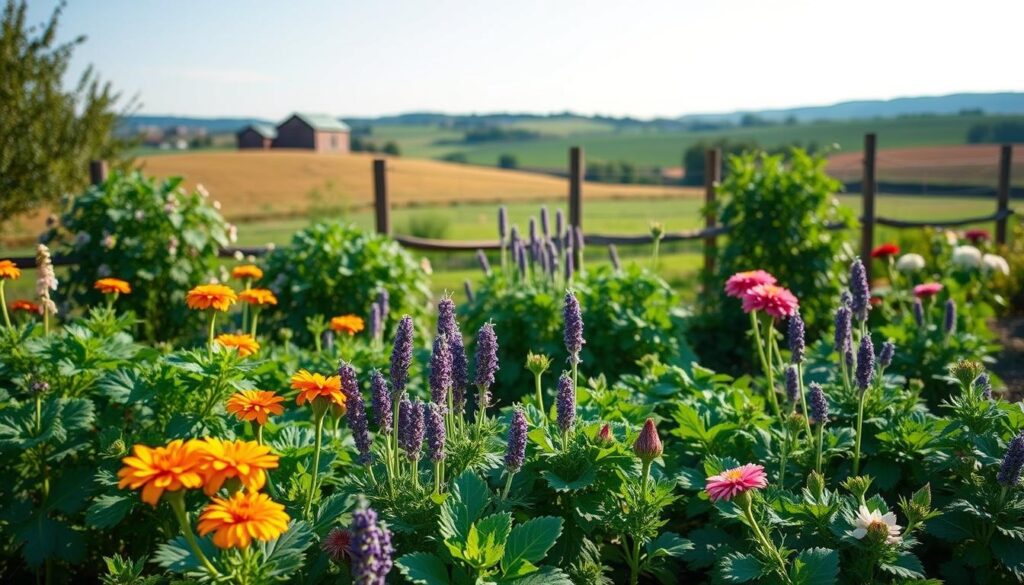
Flower visitors are not automatically a nest problem. Nest biology and seasonal activity vary with species and climate, so a guaranteed November end date is inappropriate. Identify whether the concern is a visiting bee, an occupied nest or another insect before changing the site.

Identification and conditions
Understand the bee and the setting
Flower visitation
Foraging is different from an occupied nest.
Nest location
Assess access conflicts without approaching the entrance.
Identification
Distinguish bumblebees, honey bees and other insects.
Local season
Species and climate affect activity; avoid a universal calendar.
Methods ranked by their role
Preserve pollinators while reducing exposure
Leave undisturbed
Where no conflict exists, retain beneficial activity.
Use another route
Keep people and pets away from an occupied entrance.
Obtain identification
Use qualified advice for uncertain insects.
Specialist conflict assessment
Discuss feasible options without DIY nest relocation.
Inspection and prevention steps
Observe the flowering area
Stay outside any nest flight route and avoid handling insects. An overview from a safe place can help identification. Do not infer an occupied shed nest from bees visiting flowers.

Maintain a safe walking route
Garden edging may guide a route elsewhere in the garden, but never install it beside an active entrance. Keep adequate distance based on the situation and obtain advice if normal access cannot be arranged safely.

Maintain ordinary waste hygiene
Close waste away from bee activity. This is general household maintenance and is more relevant to some scavenging wasps than to nectar-feeding bumblebees; it is not a bumblebee nest-removal method.

Request an identification and site assessment
Compare a safe photograph with a reliable identification resource or ask a local specialist. Explain whether there is an occupied entrance near people. Confirm that the provider has appropriate experience before discussing intervention.

Sequence and reassessment
Use the local assessment rather than a fixed end date
Identify
Confirm the insect and whether nesting is involved.
Avoid
Keep the occupied site undisturbed.
Assess
Discuss any unavoidable access conflict.
Repair later
After confirmed inactivity, consider appropriate building maintenance.
Myths and facts
Correct bee-relocation and calendar promises
Myth: every colony is gone by November
Fact: activity depends on species and climate.
Myth: bumblebees cannot sting
Fact: avoid handling and nest disturbance.
Myth: every beekeeper relocates bumblebees
Fact: ask for relevant experience and feasible local options.
Myth: a night-time box move is routine DIY
Fact: obtain qualified advice rather than handling an occupied nest.
Protect the route around an occupied nest
Bumble bees usually use a localized entrance and may be important pollinators. The practical first step is often to redirect foot traffic and prevent disturbance rather than block the opening.
Ask for identification when the nest is beside a doorway, play area, or required work zone. Allergy risk or an unavoidable conflict warrants advice from a bee-aware professional who can assess local options.
Mud tubes rather than a fuzzy bee? A solitary mud dauber needs a different response from a bumble bee. See how to confirm activity and remove a mud dauber nest safely.
Bumble bee, carpenter bee or wasp? Identify before choosing a response
Bumble bees belong to the genus Bombus. Their fuzzy appearance and flower visitation can be useful clues, but color alone is not a complete identification. A shiny-bodied yellowjacket, a honey bee and a carpenter bee can require quite different site decisions. Take an overview or photograph from a safe distance rather than approaching for a closer look.
University of Minnesota Extension distinguishes bees and social wasps and recommends preserving honey bee and bumble bee nests where possible. Keep identification separate from the assumption that every flying insect beside the house needs extermination.
Bumblebee feeding is different from a scavenging wasp problem
Bumblebees forage for pollen and nectar and are pollinators. Closing a garbage bin is useful ordinary hygiene, but it does not remove a bumblebee colony’s flower-based food sources. Do not copy a yellowjacket food-trap plan merely because both insects buzz around the garden. Ask what has actually been identified before buying bee traps or a repellent spray.
A nest of bumble bees is not a managed honey bee hive. Likewise, a cluster of insects should not automatically be labeled a honey bee swarm. Describe the observed activity and location to the assessor instead of choosing a service solely from the word “bee.”
Flower visitors are not evidence of a nest in your wall
A bee moving between blooms is foraging. Repeated entry into one opening suggests a different question: what is using that cavity, and does it conflict with access or necessary work? Record the location from outside the flight route without probing the opening or moving stored items around it.
If the activity is centered on a round hole in exposed wood, review the separate carpenter bee guide. Do not transfer its gallery-repair instructions to an occupied bumble bee nest. The physical setting is part of identification, not a reason to plug a hole immediately.
Ground nests, sheds and cavities: assess the actual access conflict
Bumble bees may nest in ground cavities or other sheltered spaces. A single entrance under a shed is not necessarily the same problem as flower visitors over the lawn. Avoid mowing, digging or moving materials near suspected activity while identification and occupancy are unresolved.
Explain the conflict in specific terms when asking for advice: the entrance is beside the only door, next to a play area or within the area scheduled for repairs. A remote nest that can stay undisturbed may need only an alternative route and clear communication with household members.
Choose a temporary route without disturbing the entrance
Keep people and pets away from the flight path and adjust routine garden work where practical. Do not place furniture, a barrier or edging beside the entrance to redirect the bees. Arrange access changes from outside the occupied area and obtain advice if safe separation is not possible.
A person with a known sting allergy may need different precautions. Discuss that concern with an appropriate clinician and the site assessor. Do not use a universal distance as a guarantee that everyone can pass safely.
Bumble bee season: why a fixed end date can mislead
Colony activity depends on species and climate. Queens, workers and reproductive bees have different roles, and regional seasonal patterns are not one worldwide schedule. Local advice is more useful than assuming a nest must become empty by November or after a few quiet days.
Plan discretionary repairs around confirmed inactivity and applicable requirements. If work cannot wait, ask a relevant specialist to assess options rather than delaying a safety-critical repair without advice or attempting a night-time box move.
Confirm what the provider can actually do
A beekeeper who works with honey bees may not offer bumble bee nest assessment or relocation. Describe the insect and setting before booking, and ask about relevant experience. If relocation is proposed, ask how feasibility, occupancy, species and local requirements will be assessed.
Get a written plan explaining what will happen at the nest site and which building repairs are included. Do not assume a general pest visit automatically includes safe cavity access or durable exclusion after lawful vacancy.
Why homemade bumble bee repellents are not the main recommendation
A fragrance around a doorway does not identify a nest or solve the access conflict. Do not spray bees with essential oils, vinegar or other household mixtures. Do not flood, burn or fumigate a nest. These shortcuts can create exposure and disturbance without an appropriate assessment.
If chemical intervention is considered for an unavoidable conflict, it belongs in a qualified assessment and must comply with the exact current product label and local rules. The presence of bees in the garden alone does not justify broad treatment of flowering plants. EPA label guidance explains why permitted pest, site and application matter.
Questions about bumble bees around the house
Can I seal a nest entrance while the bees are away?
No vacancy conclusion follows from seeing some workers leave. Others or developing young may remain concealed. Do not close an occupied route or rely on a short period of silence. Obtain qualified advice and plan compatible maintenance after occupancy is resolved.
Will removing all the flowers stop the problem?
Flower visitation and nest access are different concerns. Do not remove useful habitat simply because bees forage there. If a planting creates an unavoidable conflict next to a busy path, discuss a site-specific adjustment rather than assuming a flower-free yard is necessary.
How do I prepare for next season?
Once the site is confirmed inactive and work is appropriate, address suitable building defects and inspect the finished repair. Keep drainage and ventilation functional. Retain the location notes so that future activity can be assessed without automatically labeling every new flower visitor as the old colony.
Publishing and affiliate notes
Some product links may be affiliate links. If you buy through them, we may earn a commission at no extra cost to you. Product picks are not lab tests. Read the legal disclaimer.